
Last Updated on September 18, 2026 by Tim L. | Founder of Pest Control Playbook | Reviewed for Scientific Accuracy by our Co-Founder, an Associate Certified Entomologist (ACE)
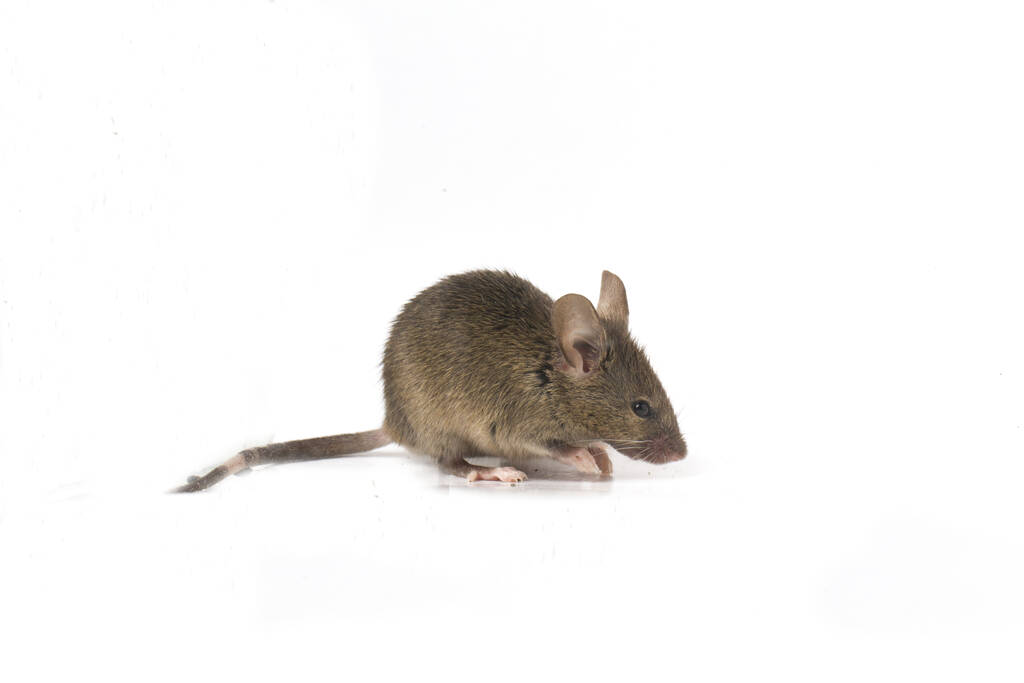
Finding a single mouse out in the open is frustrating enough, but dealing with an elusive rodent that actively avoids your traps can feel like an impossible battle. When a mouse repeatedly clears off bait without setting off the trigger, or completely detours around your snap traps, you aren’t dealing with an ordinary pest. You are dealing with trap shyness.
To catch a rodent that has learned to outsmart basic DIY methods, you have to elevate your strategy. This advanced removal guide leverages the scientific knowledge of an Associate Certified Entomologist combined with more than 40 years of hands-on, professional pest control field experience [On Wed, Aug 26, 2026 @ 20:16 PM, On Fri, Aug 28, 2026 @ 14:36 PM]. Here is how to outsmart the smartest mouse in your house.
The Quick Answer: How Do You Catch a Smart Mouse?
The most effective way to trap a smart mouse is to use a professional technique called pre-baiting. You must place completely un-armed snap traps loaded with high-protein bait along active baseboard runways for 48 to 72 hours. This tricks the cautious mouse into accepting the trap as a safe, permanent food source. Once the rodent is feeding confidently, you re-bait and arm the spring mechanism to secure an instant, clean catch on the very first night.
💡 Professional Affiliate & Editorial Disclosure
Some links on this page are affiliate links, meaning a small commission may be earned on recommended professional-grade products (like pressurized backpack sprayers, mouse traps, or commercial baits) at no extra cost to you.
Why Do Some Mice Become “Trap Shy”?
House mice are naturally curious, but they are also highly sensitive to changes in their environment. A mouse typically develops trap shyness for three distinct reasons:
- Near-Miss Experiences: If a cheap or improperly set trap snaps blindly and misses the mouse, or only clips its tail, that rodent will view every mechanical device with extreme suspicion moving forward.
- Scent Contamination: Mice have an incredible sense of smell. If you handle your pest control gear with bare hands, you leave behind human skin oils, sweat, and soap scents. The mouse detects your presence on the trap and keeps its distance.
- Bait Overfill: Piling a large glob of food onto a trigger allows a nimble mouse to sit comfortably on the edge and lick away the top layers without applying any downward pressure on the trigger plate.
Professional Tools to Outsmart Cautious Rodents
When standard wooden traps fail, upgrading to professional-grade equipment changes the game completely:
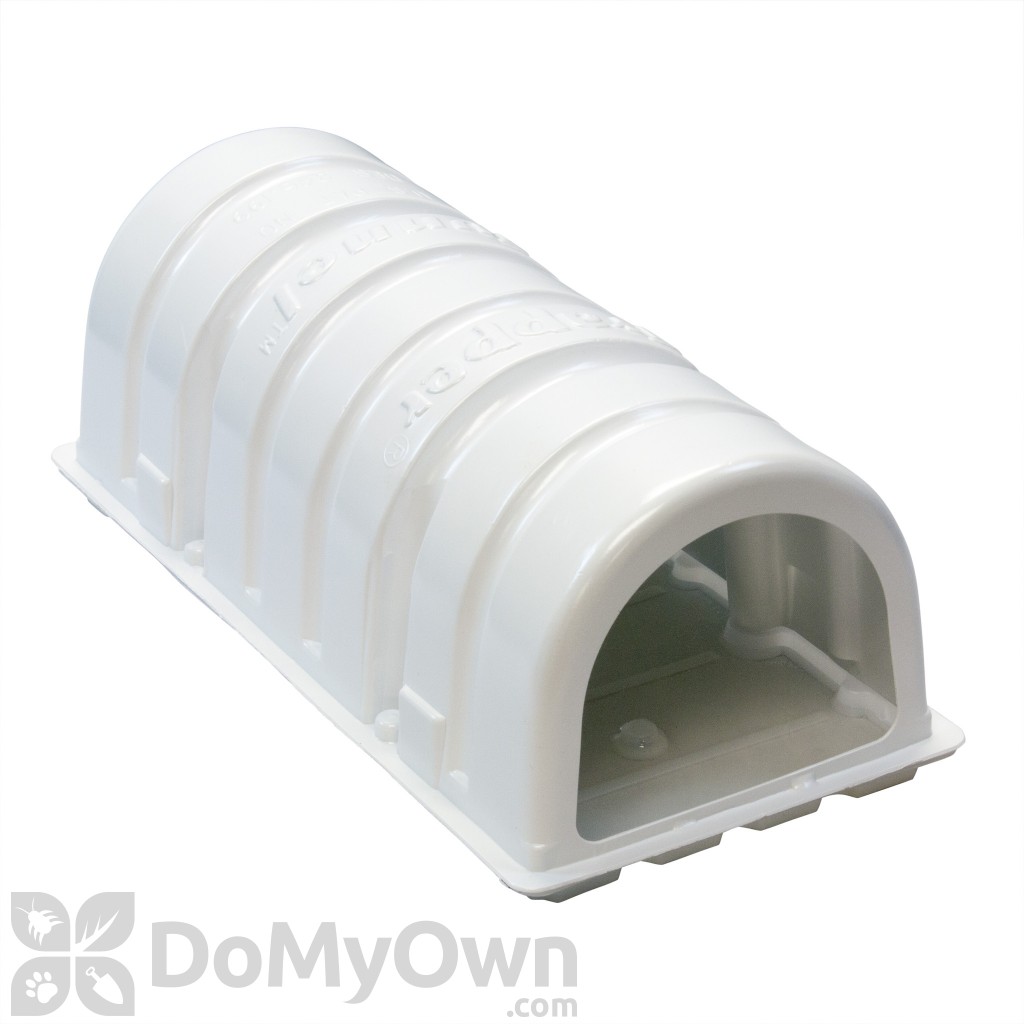
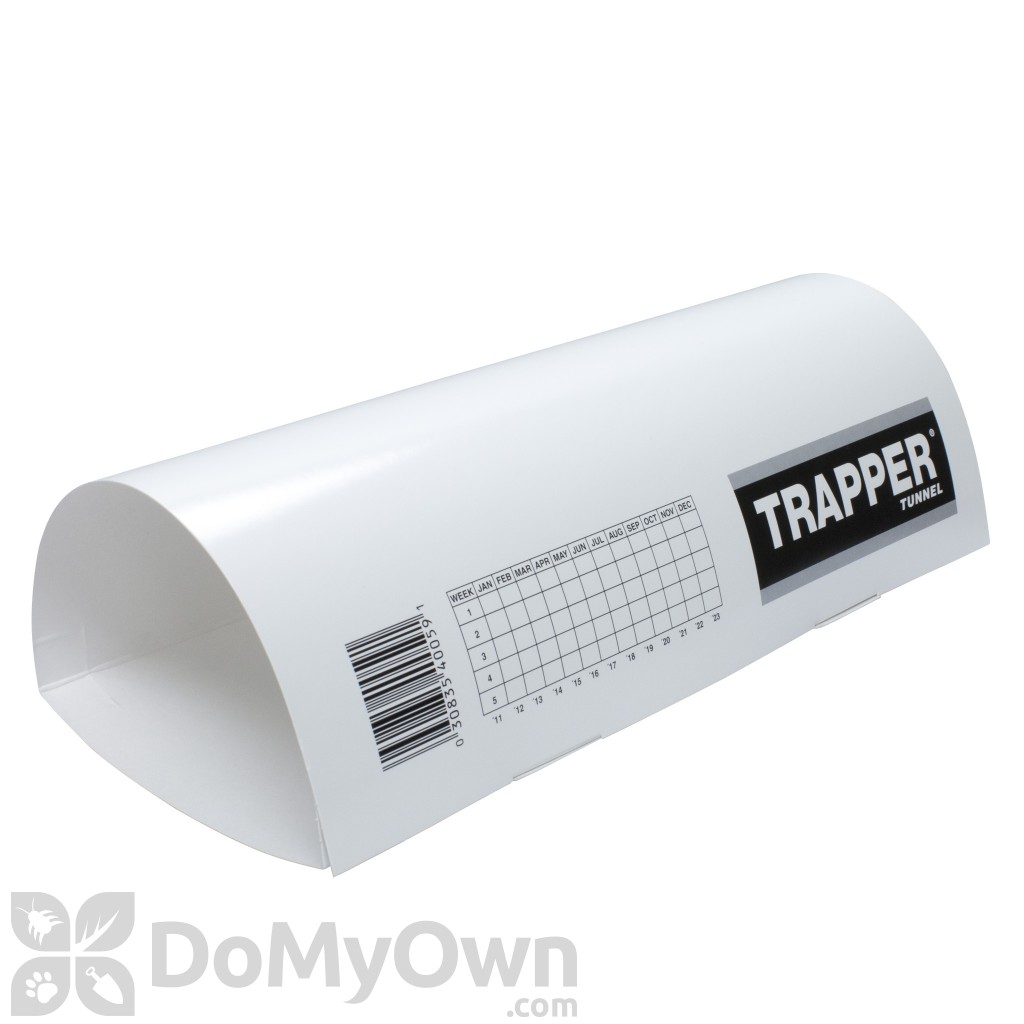
- Use Enclosed Catch Systems: Smart mice that avoid open metal wires are often easily tricked by tunnel-style traps. The Trapper Hidden Kill Mouse Trap hides the bait deep inside a dark, blind corridor. The mouse enters looking for shelter and triggers the internal mechanism without ever realizing it is stepping onto a trap.
- Switch to Professional Attractants: If a mouse has grown bored or suspicious of household peanut butter, switch to a specialized matrix like Provoke Professional Gel. It uses a highly concentrated, allergen-free blend of complex carbs and fats that triggers an irresistible feeding response.
Step-by-Step Advanced Pre-Baiting Playbook
Follow this exact sequence to lower the guard of any bait-shy mouse:
- Decontaminate Your Gear: Put on a pair of fresh nitrile or latex gloves before touching your traps.
- Place the Traps Un-Armed: Position 4 to 6 traps flush against the walls where you have found fresh droppings. Do not pull the springs back to arm them. Leave them completely unset.
- Load the Bait Cups: Place a tiny, pea-sized drop of Provoke Gel or hazelnut spread directly inside the bait wells.
- Let Them Feed: Leave the un-armed traps alone for 2 to 3 days. Check them quietly at night. If the bait is missing, do not set the trap yet—simply clean the cup and re-bait it.
- Set the Trap for the Kill: Once the mouse is confidently eating from the traps every night, clean the wells one last time, apply a fresh dab of bait, and pull the spring bars back into the armed position. The mouse will walk directly onto the trigger plate without hesitation.
👉👉 Want the Complete Rodent Elimination Guide? Read THIS Article Now
❓ Frequently Asked Questions (FAQ)
How do you catch a mouse that avoids snap traps?
If a mouse completely avoids open snap traps, switch to an enclosed, tunnel-style design like the Trapper Hidden Kill. These traps capitalize on a mouse’s natural desire to explore dark, tight cavities and wall voids. Because the trigger and bait are completely hidden inside a dark plastic enclosure, the mouse enters freely without experiencing the anxiety caused by an open, exposed mechanical wire.
Can a mouse remember a trap that snapped and missed?
Yes. Mice possess excellent spatial memory and are highly sensitive to negative reinforcement. If a trap fires and misses, or causes a minor injury, the surviving mouse associates that specific shape, scent, and location with extreme danger. It will actively avoid that section of the baseboard and will steer completely clear of any similar mechanical devices for weeks.
What is the best runway placement for an elusive mouse?
Elusive mice rely strictly on wall contact for navigation. They will almost never step out into the middle of an open floor. Always place your traps perpendicular to the baseboard, meaning the bait cup and trigger plate must directly face the wall. This forces the mouse to walk directly over the trigger mechanism as it travels down its natural runway.
Why is the mouse stealing bait without tripping the trap?
The mouse is stealing the bait because the food source isn’t physically anchored to the trigger plate. If you use loose crumbs, cheese, or solid meats, a nimble mouse can pick them up effortlessly. Switch immediately to an adhesive gel or sticky spread, and ensure the total amount is no larger than a single pea. This forces the mouse to bite down and pull, applying the exact weight needed to trip the mechanism.