Last Updated on September 15, 2026 by Tim L. | Founder of Pest Control Playbook | Reviewed for Scientific Accuracy by our Co-Founder, an Associate Certified Entomologist (ACE)
Seeing a single cockroach scurry across your floor is alarming, but the real danger is what you cannot see. Roaches are highly thigmotropic pests, meaning they prefer environments where they can feel tight physical pressure on all sides of their bodies. They spend roughly 75% of their lives tucked deep inside narrow structural crevices, remaining completely hidden from view.
If you are only treating the open, visible areas of your floors and countertops, you are completely missing the source of the infestation. To permanently eliminate these resilient survival machines, you must look past the obvious open surfaces and target the specific micro-habitats where they feed, breed, and harbor.
Here are the top 15 hidden cockroach hotspots inside your home, mapped out to help you target your treatments with professional precision.
Quick Answer: Where Do Roaches Hide During the Day?
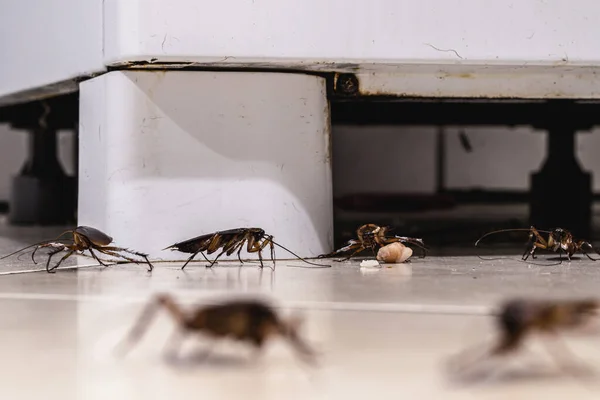
During daylight hours, cockroaches hide inside dark, high-humidity structural voids near consistent warmth and food supplies. Their primary household harborages include the hot compression voids behind refrigerators, grease-heavy zones beneath stoves, damp spaces under kitchen and bathroom sinks, and hollow wall voids accessed via electrical outlets. Because retail aerosol sprays cannot reach these deep architectural crevices effectively, utilizing professional-grade roach bait placements inside these exact hiding spots is required to eliminate the reproducing population at its source.
The Top 15 Overlooked Cockroach Hiding Places
- Behind and Underneath the Refrigerator: This is arguably the number-one cockroach hotspot in any kitchen. The rear mechanical compressor motor generates constant, warm temperatures 24 hours a day, while condensation lines provide a steady water supply. Coupled with the organic food dust and crumbs that naturally collect underneath heavy appliances, this creates an ideal structural incubator for German cockroaches.
- Beneath the Kitchen Stove and Oven: Even in meticulously cleaned households, the narrow void beneath the stove often harbors micro-layers of cooking oil splatters, accumulated baking grease, and stray food crumbs. This dark, high-fat food zone provides a high-calorie feast for foraging nymphs and adults.
- Inside Cabinet Hinges and Shelf Corners: Cockroaches love wood and paper products because they absorb natural aggregation pheromones, signaling to other roaches that a space is a safe harbor. They frequently pack themselves into the tight mechanical crevices of cabinet door hinges, upper corner joints, and the unsealed lips underneath pantry shelves.
- Under Kitchen and Bathroom Sinks: The expansive cabinet voids beneath sinks offer an absolute trifecta for cockroach survival: total darkness, low traffic, and high humidity. Slow plumbing leaks, dripping pipe traps, and condensation forming on cold copper lines supply all the daily moisture a developing colony needs.
- Deep Inside Wall Voids: Roaches do not restrict their activity to the surface of your rooms; they utilize the hollow voids between your drywall panels as transit highways. They gain effortless access into wall interiors by squeezing through the small gaps surrounding electrical junction boxes, light switches, and plumbing pipe cutouts.
- Behind and Underneath the Dishwasher: The structural cavity behind a built-in dishwasher is warm, damp, completely dark, and rarely disturbed. Slow moisture seeps from water supply hoses or rubber door gaskets create an incredibly humid micro-climate that accelerates cockroach egg incubation.
- Inside Pantry Seams and Product Packaging: Pantries offer a dense collection of food attractants. Roaches will exploit the microscopic folding seams of cardboard cereal boxes, unsealed flour bags, and paper spice packets, nesting directly inside the food packaging itself.
- Beneath and Behind Kitchen Trash Cans: The floor space immediately surrounding and underneath your kitchen garbage bin often accumulates invisible organic residues, sticky liquid drips, and small food particles. This localized zone provides a highly dependable food perimeter for nocturnal scouts.
- Around the Water Heater: Tank-style water heaters release ambient radiant heat and frequently experience minor condensation or pressure-relief valve drips. This quiet, warm, and low-traffic environment is a favorite sanctuary for large American and Oriental cockroaches entering from crawlspaces or basements.
- Inside Small Kitchen Appliances: Because electronics and small appliances stay plugged in, their internal circuit boards and motors emit constant warmth. Roaches will move directly into the interior casings of microwaves, toaster ovens, coffee makers, and countertop mixers, feeding on internal crumb collections.
- Under Floor Edges, Baseboards, and Quarter-Round Molding: Gaps resulting from settling baseboards or shifting hardwood floor transitions create perfect entry slots. Roaches can flatten their bodies to squeeze into gaps as thin as a dime, using the dark voids behind trim moldings to travel between rooms undetected.
- Behind Bathroom Vanities: Similar to kitchen sink cabinets, the back voids of bathroom vanities combine dark isolation with high moisture levels from showers and sinks. They will harbor heavily in the unsealed space where the back of the wood vanity meets the drywall.
- Inside Stored Cardboard Boxes: Cardboard is an exceptional pest attractant. It features a porous, fibrous texture that holds moisture well and easily absorbs cockroach scent markers. Furthermore, the organic starch glues used to hold corrugated boxes together serve as an emergency food source for starving roaches.
- Inside Entertainment Electronics: Larger living room electronics like televisions, internet routers, game consoles, and desktop computer towers generate significant internal heat. If a kitchen infestation grows crowded, roaches will migrate into these warm plastic housing shells.
- Structural Cracks Near Doors and Windows: Degraded weather stripping, missing window caulking, and fractures in exterior entry frames present double trouble. They act as immediate entry points for outdoor species while providing tight, defensive harborages for indoor foraging populations.
👉👉 Roaches Living in Your Walls? Read THIS Article Now to Find Out How to Get Rid of Them Fast
The Playbook Strategy: Target the Voids with Roach Bait
The fundamental flaw with retail pest control is that homeowners routinely spray liquid insecticides over open floors or around baseboards. This approach only kills the occasional rogue worker, while leaving the core colony completely untouched inside the structural voids. Furthermore, harsh chemical sprays can contaminate your bait sites, causing roaches to avoid your treatments entirely.
To wipe out a breeding population, you must apply a high-quality, professional-grade gel bait directly inside the top hiding places identified above.
🛒🥇 When dealing with a persistent infestation, our top field-tested choice is Vendetta Plus Cockroach Gel Bait. 👇👇 Check Prices and Availability on DoMyOwn Now! 👇👇
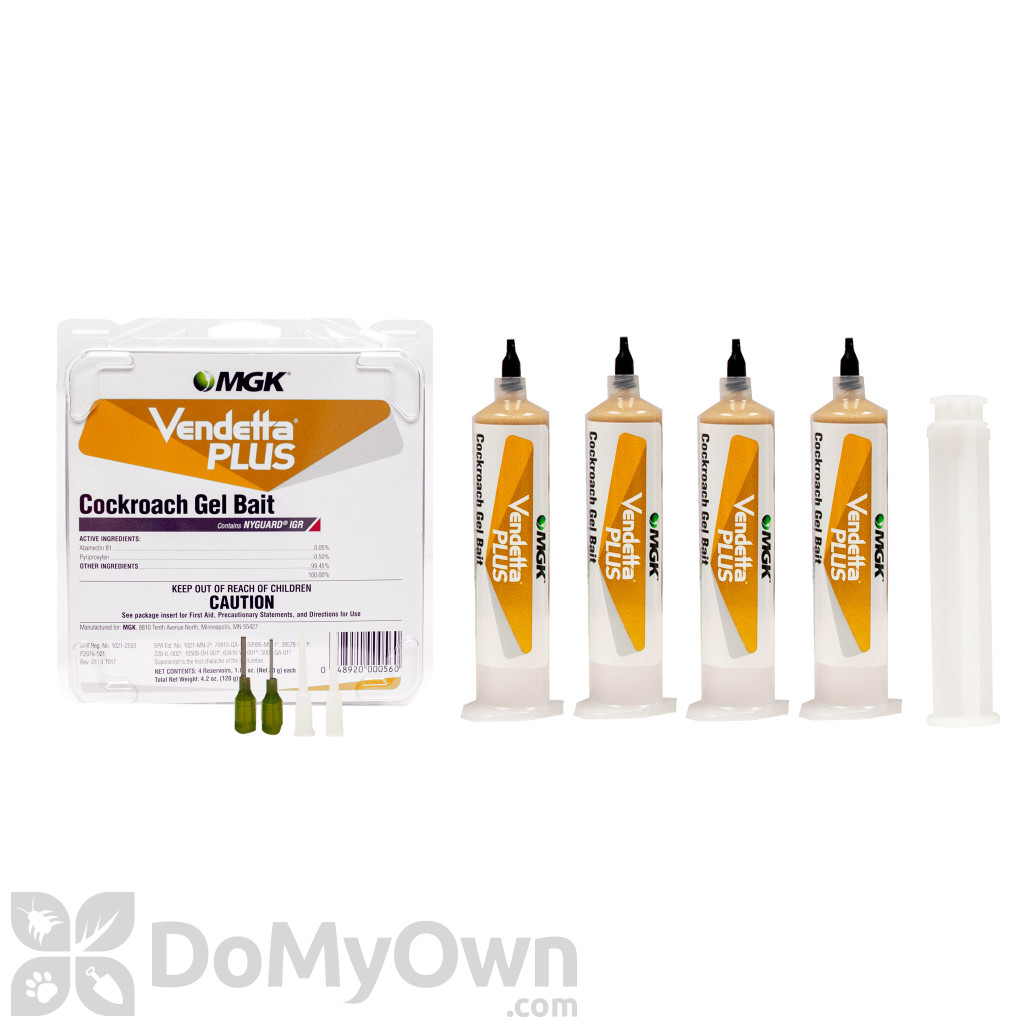
Unlike older retail baits that roaches can develop a strong aversion to, Vendetta Plus features a highly attractive, non-repellent food matrix that remains soft and palatable for extended periods. It utilizes a targeted active ingredient that allows roaches to consume the bait, return safely to their hidden structural harborages, and pass the lethal dose to other nest mates through grooming and natural aggregate contact—destroying the hidden population at its structural core.
How to Apply it for Best Results:
Apply small, dot-sized placements of Vendetta Plus Cockroach Gel Bait directly inside cabinet hinge gaps, along the hidden water pipe collars under sinks, and deep into the void spaces behind your kitchen appliances. Keep all retail aerosol sprays and heavy chemical cleaners away from these placements so you do not ruin the bait’s food attraction.
Pro Insights: Summary from 40+ Years of Field Experience
With a combined 40+ years of professional pest control experience, and with our co-founder holding credentials as an Associate Certified Entomologist (ACE), we have seen that cockroach eradication is won or lost based on placement precision.
You cannot force roaches to change their biology. They will always seek out the warmest, darkest, and tightest spaces available to them. If you eliminate easy water seeps, clean behind major heat-emitting appliances, and insert professional-grade gel bait like Vendetta Plus directly into their primary harborages, you run the ultimate playbook strategy to reclaim your home permanently.