Last Updated on September 15, 2026 by Tim L. | Founder of Pest Control Playbook | Reviewed for Scientific Accuracy by our Co-Founder, an Associate Certified Entomologist (ACE)
Finding an active trail of ants marching across your clean kitchen tile can be incredibly frustrating. Many homeowners find themselves cleaning constantly, yet the ants continue to show up day after day.
It helps to understand that ants do not invade a home randomly or out of spite. They are highly organized, efficient survival machines driven by biological needs. Every ant trail you see is the result of scout ants successfully locating resources and laying down chemical pheromone markers to guide the rest of the colony directly to the prize.
To permanently break this cycle, you must first identify the specific environmental invitations drawing them across your property line.
Quick Answer: Why Do I Have Ants in my House?
Ants enter residential structures because they detect accessible sources of food, consistent moisture, or protected nesting shelter. Their primary household targets include exposed sugars, proteins, pet food dishes, leaking plumbing fixtures, and damp structural wood. They gain entry through microscopic foundation fractures, gaps around doors, and overgrown landscaping touching the house. Removing these daily invitations and deploying a professional exterior granular bait barrier is the most effective way to eliminate foraging worker scouts before they establish permanent indoor trails.
💡 Professional Affiliate & Editorial Disclosure
Some links on this page are affiliate links, meaning a small commission may be earned on recommended professional-grade products (like pressurized backpack sprayers or commercial baits) at no extra cost to you.
10 Hidden Things That Attract Ants Inside Your Home
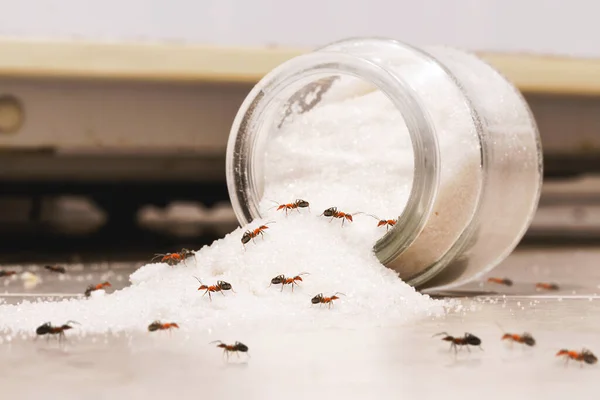
- Sugars, Sweets, and Spills: Common household ants possess highly sensitive chemical receptors that can detect microscopic glucose residues from long distances. Sticky juice rings on countertops, spilled soda drops on the floor, open honey jars in the pantry, and overripe fruit left out in bowls represent high-value targets for an entire colony.
- Microscopic Crumbs and Daily Food Debris: Foraging worker ants do not require a massive structural mess to justify building a trail into your living space. Tiny bread crust particles trapped beneath the toaster, stray cereal grains dropped under baseboards, and food dust swept into cabinet corners provide more than enough daily nutrition to feed dozens of workers.
- Open Pet Food Bowls: Leaving dog or cat kibble sitting out in open dishes all day provides local ant colonies with a highly concentrated source of protein and fat. Because pet bowls usually sit in the exact same location every day, scout ants quickly learn to treat your pet’s feeding station as a permanent, reliable target.
- Hidden Structural Moisture and Leaks: Ants require constant water intake to survive and regulate their colony’s humidity levels. If you notice ant activity in food-free zones like bathrooms or laundry rooms, they are likely tracking moisture from leaking pipe joints, dripping faucets, or hidden condensation pooling behind large appliances.
- Unlined or Open Trash Cans: Your indoor kitchen garbage container acts as a powerful beacon for local pests. Even if a trash bag is tied, decaying food scraps, empty soda cans, sticky product wrappers, and meat trimmings inside the bin release strong odor patterns that draw scouting ants from deep within your walls.
- Cooking Grease and Oil Residues: Certain ant species switch their dietary focus away from sweets and entirely toward fats and lipids depending on the reproductive cycle of their colony. Hard-to-reach grease splatters behind the stove, oily residue on kitchen backsplashes, and unwashed frying pans left in the sink overnight draw these protein-seeking scouts rapidly.
- Overwatered Houseplants and Damp Soil: Indoor potted plants can accidentally mimic ideal outdoor nesting conditions. The consistently damp soil provides the exact micro-climate ants need to survive, while hidden populations of small plant-sucking pests like aphids or scale insects excrete a sticky, sweet substance called honeydew that ants actively harvest.
- Foundation Fractures and Structural Gaps: Ants are incredibly small and can exploit microscopic structural weaknesses in your home’s exterior envelope. Hairline settling cracks in concrete foundations, dry-rotted door thresholds, missing window screen spline, and unsealed gaps around incoming HVAC or plumbing lines serve as open highway systems into your house.
- Overgrown Landscaping and Heavy Mulch: The vegetation surrounding your home heavily influences indoor pest pressure. When tree branches, bushes, or ornamental ivy make direct physical contact with your roof or siding, they create natural bridges that allow ants to walk right over traditional ground barriers and enter upper levels.
- Secondary Pest Infestations Outdoors: If you have severe aphid or whitefly activity on the ornamental shrubs planted right next to your foundation, you will likely develop an indoor ant issue. Ants will fiercely protect these outdoor garden pests from natural predators to protect their sweet honeydew food supply, resulting in massive ant populations right next to your walls.
👉👉 Having Ants in Your Car? Read THIS Article Now and Find Out How to Get Rid of Them Fast!
The Playbook Strategy: How to Stop Ants Before They Get Inside
Achieving lasting control requires moving past the instinct to spray over-the-counter consumer aerosol sprays at the indoor trails. Harsh retail liquids usually just kill the few visible workers on contact, which panics the subterranean colony and triggers a defense mechanism called “budding,” where the single colony splits into multiple sub-colonies throughout your walls.
To stop the infestation permanently, you must implement a proactive exterior perimeter defense that utilizes the ants’ foraging behavior against them.
For maximum outdoor protection, a weather-resistant option like Niban Granular Bait is highly effective. Unlike liquid sprays that degrade rapidly under intense summer sun or heavy rainfall, these specialized, moisture-resistant granules stay active through tough weather conditions. It features a targeted borate active ingredient that foraging worker ants mistake for a premium food source.
🛒🥇 This is the EXACT Ant Bait that we use in the field to kill colonies before ants enter your home. Check Prices 👇👇 and Availability on DoMyOwn Now 👇👇
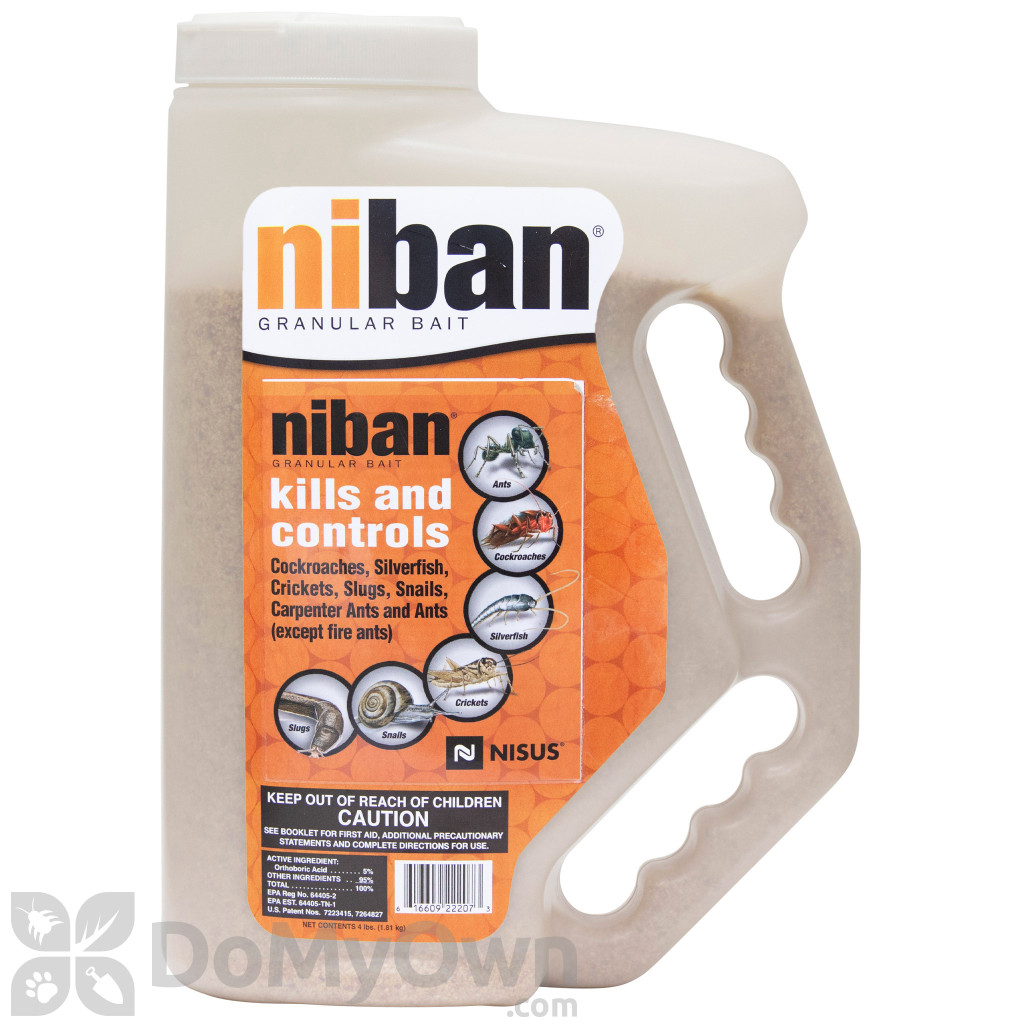
To apply it correctly, spread a uniform 2-to-4-foot band of Niban Granular Bait entirely around the exterior concrete foundation of your home, paying close attention to landscaping edges and outdoor utility entries. The worker ants safely harvest the granules, carry them back down into the underground nests, and feed them directly to the queen and the larvae—eradicating the colony at the source before they ever step foot inside your kitchen.
Pro Insights: Summary from 40+ Years of Field Experience
Managing an ant infestation relies entirely on understanding their basic biological motivations. Ants are driven by an absolute need for food, moisture, and stable shelter. If you repair minor plumbing faults, seal up obvious foundational entry points, and eliminate easy indoor food crumbs, you strip away their reasons for being inside your home. By pairing those interior sanitation steps with a dedicated exterior perimeter granular baiting strategy, you establish a professional-grade defensive playbook that keeps your living space permanently pest-free.