Last Updated on October 4, 2026 by Tim L. | Founder of Pest Control Playbook | Reviewed for Scientific Accuracy by our Co-Founder, an Associate Certified Entomologist (ACE)
Finding a line of ants marching across your kitchen counter is stressful enough. But when you have dogs or cats sniffing around the baseboards, slamming the area with harsh, synthetic chemical sprays is out of the question. Most retail ant sprays rely on heavy synthetic pyrethroids that leave lingering residues you do not want around pet bowls or food prep surfaces.
Eliminating kitchen ants cleanly does not mean sacrificing horsepower. By understanding ant trail biology, you can use professional-grade botanical concentrates and organic elements to completely wipe out the nesting colony while keeping your animals 100% safe. Backed by a combined 40+ years of professional pest management and certified entomology insights, this guide details the exact step-by-step DIY playbook to clear kitchen ants naturally.
💡 Professional Affiliate & Editorial Disclosure
Some links on this page are affiliate links, meaning a small commission may be earned on recommended professional-grade products (like pressurized backpack sprayers, professional roach baits, and organic insecticides) at no extra cost to you.
The Pet-Safe Kitchen Ant Eradication Kit (Quick Answer)
To skip the guesswork and stop a kitchen ant invasion safely around pets, our technicians recommend a three-part organic commercial protocol:
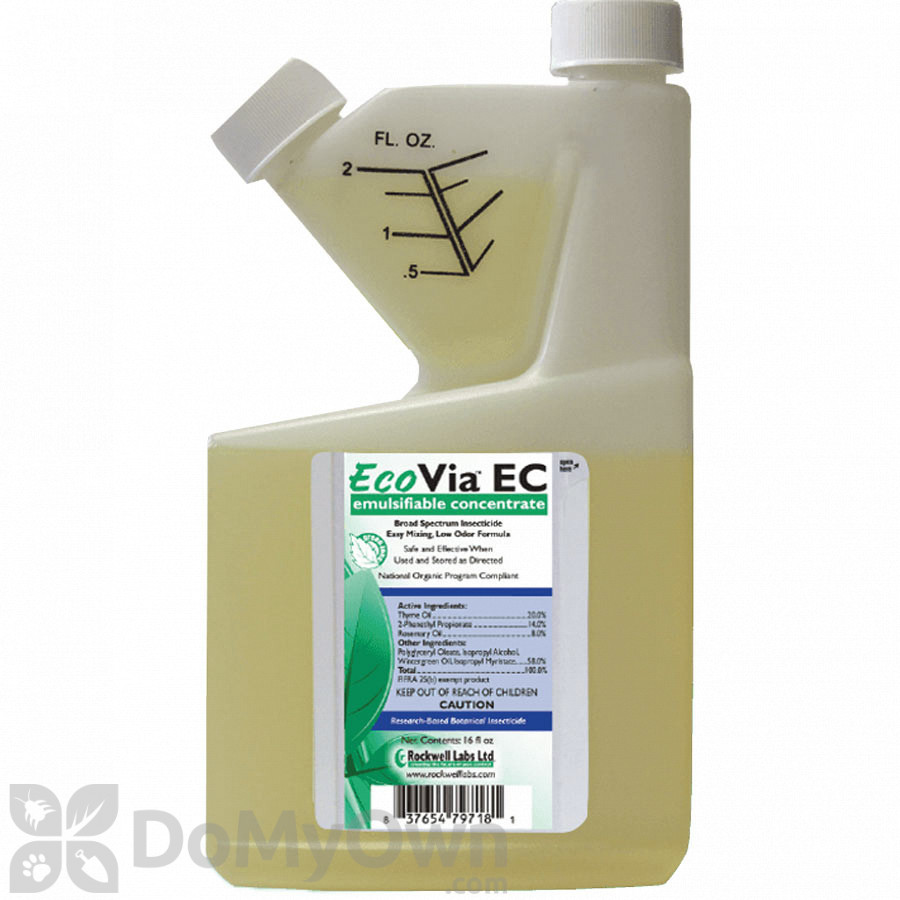
- The Quick-Kill Contact & Perimeter Spray: EcoVia WD or EcoVia EC Concentrate — These professional botanical formulas rely on pure plant essential oils (like thyme, rosemary, and clove). They kill ants instantly on contact and disrupt their chemical pheromone trails without leaving synthetic chemical residues.
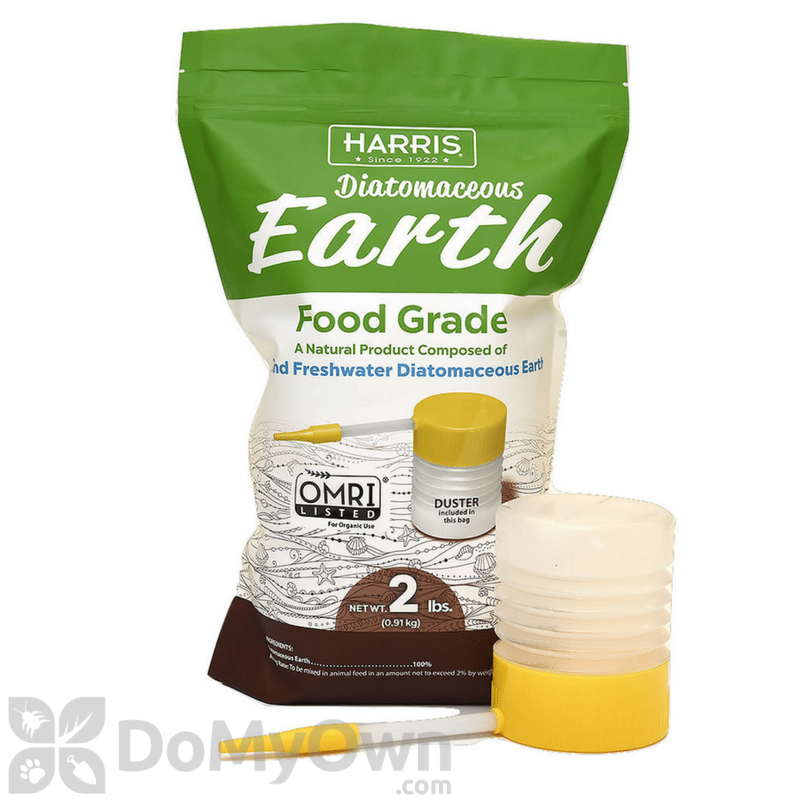
- The Structural Void Weapon: Food-Grade Diatomaceous Earth (DE) — A completely natural, mined mineral dust that physically dehydrates crawling insects. When puffed behind wall voids and baseboards using a dedicated hand duster, it remains effective indefinitely as long as it stays dry.
- The Clean Pheromone Wash: Natural soap and water mixed with a few drops of peppermint essential oil to instantly wipe away trailing scents on countertops without contaminating cooking areas.
👉 Shop EcoVia Botanical Organic Products on DoMyOwn
The Trick to Organic Ant Control: Trail Disruption vs. Baiting
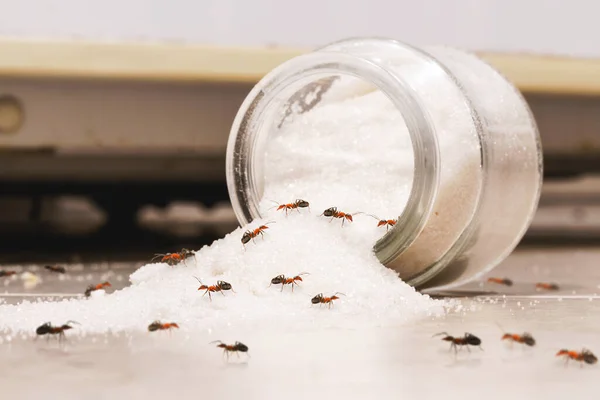
The single biggest mistake DIYers make with natural ant control is spraying vinegar or essential oils directly on the ants they see, thinking the job is done. When you wipe out a visible trail of worker ants, you are only managing about 10% of the local population. The remaining 90%—including the reproductive queens—are safe inside a wall void or under your subflooring, ready to send out a fresh trailing line by tomorrow morning.
To win, professionals exploit ant trail mechanics. Ants communicate through invisible pheromone scents. If a scouting worker finds a drop of grease on your stove, she leaves a chemical scent trail leading back to the nest so the rest of the colony can find it. By utilizing non-toxic botanical killers, we do two things at once: we eliminate the foraging workers immediately, and we structurally mask that pheromone highway so the rest of the nest loses access to your kitchen.
Step 1: Track the Pheromone Highway
Before you wipe down a counter or apply a single natural product, watch the ants for five minutes. Do not disturb them. Pull out a flashlight and follow their line to find the exact structural entry point.
Common Kitchen Entry Points to Inspect:
- Electrical Outlet Covers: Ants frequently travel inside wall voids and emerge directly from the gaps around your kitchen outlet plates.
- Backsplash Gaps: Gaps in the caulk line where your countertop backsplash meets the drywall create perfect insect highways.
- Dishwasher Lines: Inspect the hot water line penetration underneath the kitchen sink that feeds directly into the dishwasher cabinet.
Step 2: Clean the Countertops with Botanical Barriers
Once you know how they are entering, it is time to clean the kitchen counters to eliminate competing food sources. Traditional floor cleaners and dish soaps work fine, but adding botanical essential oils turns your cleanup into an active natural repellent.
Mix warm water, a squirt of dish soap, and 15 drops of pure peppermint oil into a spray bottle. Thoroughly wash the counters, the base of the backsplash, and the exterior frames of your trash cans. The intense natural scent of peppermint completely overwhelms the ants’ sensory receptors, shattering their trail tracking abilities without leaving any synthetic chemicals near your food surfaces.
Step 3: Lock Down Voids with Diatomaceous Earth
Now that the surfaces are clean, you need to neutralize the ants inside the walls where your pets cannot reach. This is where food-grade Diatomaceous Earth (DE) shines. DE is composed of microscopic, fossilized aquatic organisms called diatoms. To human hands and pet paws, it feels like a soft powder. To an insect, it acts like tiny shards of glass that slice through their protective waxy exoskeleton, causing them to naturally dry out and die within 48 hours.
Remove the plastic cover plates from your kitchen outlets and use a hand duster to puff a micro-thin cloud of food-grade DE directly into the wall void. You can also apply a light dusting deep behind the refrigerator and dishwasher. Because it kills physically rather than chemically, ants cannot develop immunity, and the powder remains fully lethal for years as long as it stays perfectly dry.
👉👉 Want to Learn How to Use Diatomaceous Earth Indoors Safely and Effectively? Read THIS Article Now
Step 4: Establish an Exterior Botanical Barrier
Most kitchen ants are actually nesting outside in your landscaping, traveling indoors daily through foundation weep holes, window frames, or siding gaps. To keep them out permanently, use a professional botanical concentrate like EcoVia EC to spray an organic perimeter barrier around the outside of your home.
Mix the concentrate in a pump sprayer according to the label instructions and apply a solid three-foot band up the foundation wall and three feet out onto the ground around the entire perimeter of the home. Pay special attention to door thresholds and window sills. It creates a robust, all-natural botanical barrier that bugs will not cross, yet it is completely safe for your pets to walk on once the spray has dried completely.
Frequently Asked Questions
Is food-grade Diatomaceous Earth safe if my dog breathes it in?
Food-grade DE is completely non-toxic if swallowed, but like any fine powder, breathing in a heavy cloud of it can irritate the lungs and respiratory tracts of both humans and pets. Always apply DE using a precision hand duster directly inside hidden wall voids, cracks, and crevices where it cannot become airborne or accessed by curious pets.
Why can’t I just use standard retail ant traps from the grocery store?
Many standard retail ant traps utilize synthetic chemical baits wrapped in thin plastic housings. If a curious dog or cat chews on the plastic station, they can easily ingest the synthetic active ingredients or plastic fragments. Moving to a professional botanical spray and hidden wall void treatments completely removes that physical hazard from your home environment.
How fast do botanical sprays like EcoVia kill ants?
Professional botanical sprays containing pure essential oils feature excellent contact-kill properties. Ants sprayed directly will drop almost instantly. The natural oils break down the insect’s nervous system on contact while leaving a fresh, natural scent throughout your kitchen.
Will vinegar sprays actually destroy an entire ant colony?
No. While vinegar is excellent for temporarily wiping out an active pheromone trail on a countertop, it lacks any residual killing power. It will not hurt the queen or the eggs hidden inside the nest. To get long-term control, you must pair surface cleaning with physical barrier dusts inside the wall voids.