Last Updated on September 4, 2026 by Tim L. | Founder of Pest Control Playbook | Reviewed for Scientific Accuracy by our Co-Founder, an Associate Certified Entomologist (ACE)
📌 The Frustrating Loop: “I Treated My House, So Why Am I Still Seeing Roaches?”
You bought the sprays, applied the baits, and spent hours cleaning your kitchen. For a few days, it looked like you won the battle. Then, out of nowhere, the roaches returned.
If you are wondering whether roaches coming back after treatment is normal, the short answer is yes. It happens all the time—but not because you didn’t try. It happens because standard retail treatments only attack what you see, completely ignoring how roach populations survive underground, behind walls, and inside structural voids.
With over 40 years of combined professional field experience tackling severe residential and commercial infestations, alongside our deep background as an Associate Certified Entomologist (ACE), we understand exactly how these pests bypass standard treatments.
If you are trapped in a cycle of temporary relief followed by a sudden resurgence, your strategy is missing a few critical professional steps. Here is exactly why roaches keep returning to your home, and the precise scientific blueprint required to eliminate the colony permanently.
Affiliate Disclosure: This playbook contains expert recommendations for field-tested pest control products. If you purchase through our links, we may earn a small commission at no extra cost to you. We only recommend professional-grade tools that we trust in the field.
🔍 Top 4 Reasons Roaches Keep Returning After a Treatment
When homeowners tell us their pest control treatment failed, it almost always comes down to one of four biological or mechanical breakdowns.
1. The Treatment Missed the Hidden Oothecae (Egg Capsules)
Most over-the-counter contact sprays only kill the active, visible foraging roaches. They do absolutely nothing to protect your home against the next generation.
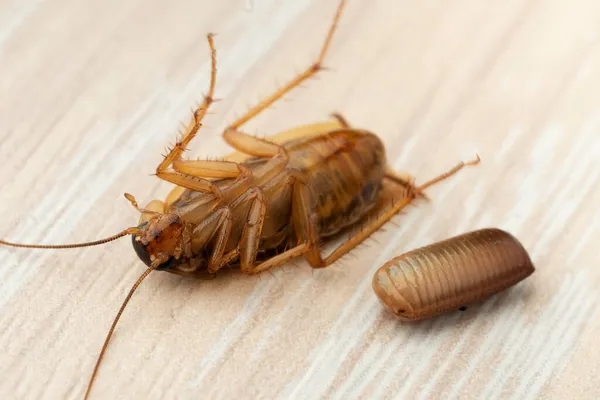
- The Biology: Female German roaches carry a protective egg capsule called an ootheca, which shields up to 48 embryonic nymphs from external liquids.
- The Resurgence: Even if a spray kills the breeding adult female, she will often drop her ootheca right before dying. Weeks later, dozens of microscopic nymphs hatch into a completely untreated environment, restarting the infestation loop.
2. You Haven’t Broken the Insect Breeding Cycle
Killing adult roaches provides immediate visual satisfaction, but an infestation cannot be eradicated without halting reproductive development.
- The Mistake: Relying solely on adulticides (products that kill adult insects) leaves surviving nymphs free to mature, breed, and multiply exponentially.
- The Professional Fix: To stop a roach population from rebounding, you must introduce an Insect Growth Regulator (IGR). IGRs act as birth control for bugs, disrupting the molting process of nymphs and mutating adults so they are completely sterile and unable to reproduce.
3. Incorrect Roach Bait Application or Competitive Feeding
Roach baiting is an incredibly effective elimination method, but it is a precise science. If applied incorrectly, it fails completely.
- Too Much Product: Squeezing out large lines or massive piles of bait actually deters roaches. They prefer tiny food sources and will walk right around large globs of gel.
- Competing Food Resources: Roaches will completely ignore professional gel baits if your kitchen still offers easy access to grease films, open trash cans, dripping plumbing fixtures, or pet food bowls.
👉👉 The Homeowners Guide to Roach Control. How to Get Rid of Roaches For Good
4. Behavioral Avoidance and Chemical Repellents
Using the wrong type of spray can actively push a roach infestation deeper into your home.
- The Repellent Trap: Most cheap, store-bought aerosol sprays utilize synthetic pyrethroids that act as strong repellents.
- The Result: When you spray these around baseboards, the roaches smell the chemical barrier and retreat deep inside wall voids, plumbing chases, and electrical outlets where the spray cannot reach. Once the chemical residue degrades a few weeks later, they flood right back into your living space.
🛠️ How to Stop Roaches From Coming Back (The 3-Step Professional Blueprint)
To break the resurgence loop for good, you must shift from a casual spot-treatment mindset to a comprehensive, multi-layered strategy using professional-grade tools.
Step 1: Deploy a Non-Repellent Chemical Cocktail
Stop using repellent store sprays. Instead, utilize a professional-grade, non-repellent liquid concentrate mixed directly with a liquid IGR.
- How It Works: Non-repellents are completely invisible to insects. Roaches walk directly across the treated zones without realizing it, picking up the active ingredient on their legs and bodies and tracking it back to the hidden nest clusters via social grooming.
- Where to Apply: Focus your application strictly on structural cracks, crevices, expansion joints, the areas behind large appliances (refrigerator, stove, dishwasher), and around plumbing pipe penetrations.
Step 2: Master the Art of Precision Gel Baiting
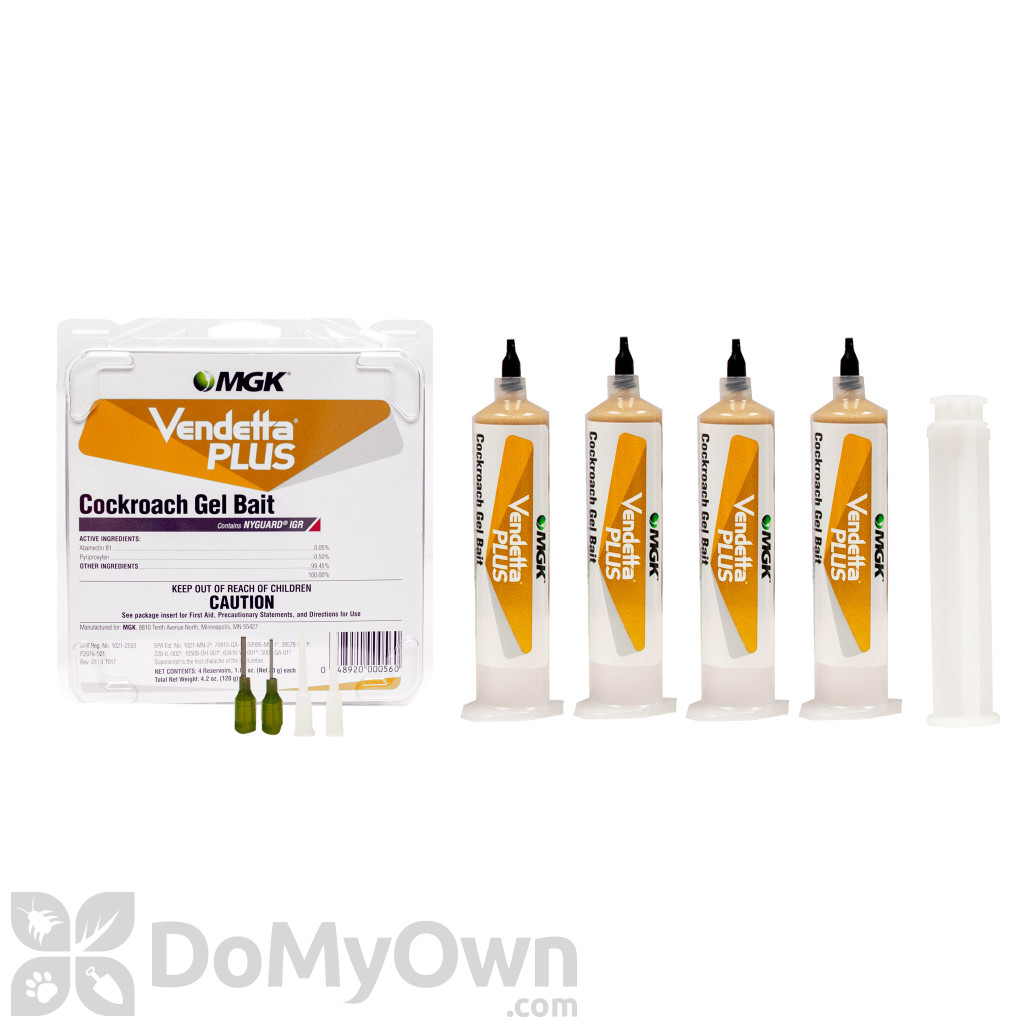
Once your non-repellent residual barrier is down, place professional roach gel baits inside areas where chemical sprays cannot be applied.
- Micro-Placements: Apply the gel bait in tiny, pea-sized dots or small drops every 12 to 18 inches along cabinet hinges, upper corner framing, under sink lips, and near electronics.
- Sanitation Lockdown: Wipe down all kitchen counters, pull out appliances to scrub grease deposits, vacuum up food crumbs daily, and fix any leaky traps under your sinks. The cleaner your home, the faster the roaches will aggressively consume the bait.
🛒🥇 This is the Exact Roach Bait that I use Most in the Field 👇👇 Check Price on DoMyOwn Now 👇👇👇
Step 3: Enforce the 21-Day Evaluation Window
The single biggest mistake homeowners make is assuming the job is done after 48 hours.
- Expect Increased Activity: Within the first 3 to 7 days after a professional-grade treatment, you will likely see more roaches than usual. This is completely normal. The bait is actively drawing them out, and the non-repellent/IGR mixture is disrupting their nervous systems.
- Replenish and Monitor: Check your bait placements weekly. If a dot has been eaten, clean the spot and apply a fresh drop. Maintain this strict protocol for at least 21 consecutive days to ensure that both the adult population and all newly hatched nymphs are systematically wiped out.
👨🔬 Veteran Field Conclusion & Inspection Checklist
Eradicating a persistent roach population requires understanding insect biology and executing a flawless tactical plan. If you are still seeing roaches weeks after a treatment, it means an active breeding source or structural entry point is being missed.
Before you apply your next round of treatment, use our Professional Field Inspection Checklist to find the hidden gaps:
- Kitchen Hinges: Inspect the interior mechanical hinges of your upper and lower kitchen cabinets for hidden nymph clusters or fecal spotting.
- Appliance Compressors: Pull off the rear access panels of your refrigerator and dishwasher to check the warm, humid areas around the electrical motors.
- Gaskets and Seals: Check the rubber magnetic seals along your refrigerator and freezer doors for trapped crumbs and hiding insects.
- Bathroom Plumbing Voids: Inspect the drywall openings where hot and cold water lines enter the walls beneath your bathroom sinks and behind the toilets.
- False Bottoms: Examine the hollow spaces underneath kitchen cabinets and the bottom drawers of bathroom vanities.
By combining immaculate sanitation, non-repellent chemical barriers, structural growth regulators, and precision baiting, you will permanently break the breeding cycle and reclaim your home from infestations.