Last Updated on September 17, 2026 by Tim L. | Founder of Pest Control Playbook | Reviewed for Scientific Accuracy by our Co-Founder, an Associate Certified Entomologist (ACE)
If you’ve ever carefully applied gel bait around your kitchen cabinets and wondered whether cockroaches can actually detect it—or worse, if it’s attracting new roaches from next door—the answer is yes, they can smell it.
In fact, that is exactly how it’s designed to work. Drawing from our 40 years of combined hands-on pest control field experience and academic entomology expertise, we are breaking down the science of how roaches track down bait, why they willingly eat poison, and how you can weaponize their sense of smell to wipe out the entire colony.
💡 Professional Affiliate & Editorial Disclosure
Some links on this page are affiliate links, meaning a small commission may be earned on recommended professional-grade products (like pressurized backpack sprayers or commercial baits) at no extra cost to you.
How Roaches Smell and Track Bait
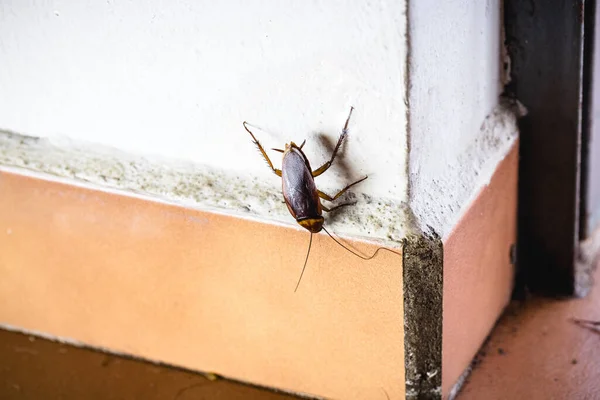
Cockroaches don’t see well, but they possess an incredibly sophisticated olfactory (smell) system. They rely heavily on their antennae—which are covered in thousands of microscopic chemical receptors—to navigate in the dark. These receptors allow them to detect food odors, moisture profiles, and pheromones from impressive distances.
High-quality professional gel baits capitalize on this biology. Manufacturers carefully blend potent food-based attractants—including specific sugars, complex proteins, and oils—that mimic a roach’s favorite meal. To a foraging roach, a fresh drop of gel bait smells far more alluring than the ordinary crumbs or grease layer under your stove.
Why Don’t Roaches Realize the Bait is Poison?
A common question we get from homeowners is: “If they can smell the bait so well, why can’t they smell the chemical poison?”
From an entomological perspective, the answer comes down to formulation science. Modern gel baits utilize slow-acting, non-repellent insecticides.
- The Disguise: The chemical active ingredients are completely odorless and tasteless to the insect, perfectly masked by the food attractants.
- The Delayed Kill: The insecticide is engineered to work slowly. If a roach died immediately on top of the bait, its chemical distress signals would warn the rest of the colony to avoid the area.
- The Domino Effect: Instead, the roach happily eats its fill and strolls back to its hidden nest. Once there, the poison spreads throughout the hidden population as other roaches ingest the slow-acting chemical via droppings, grooming habits, and scavenging on deceased colony members.
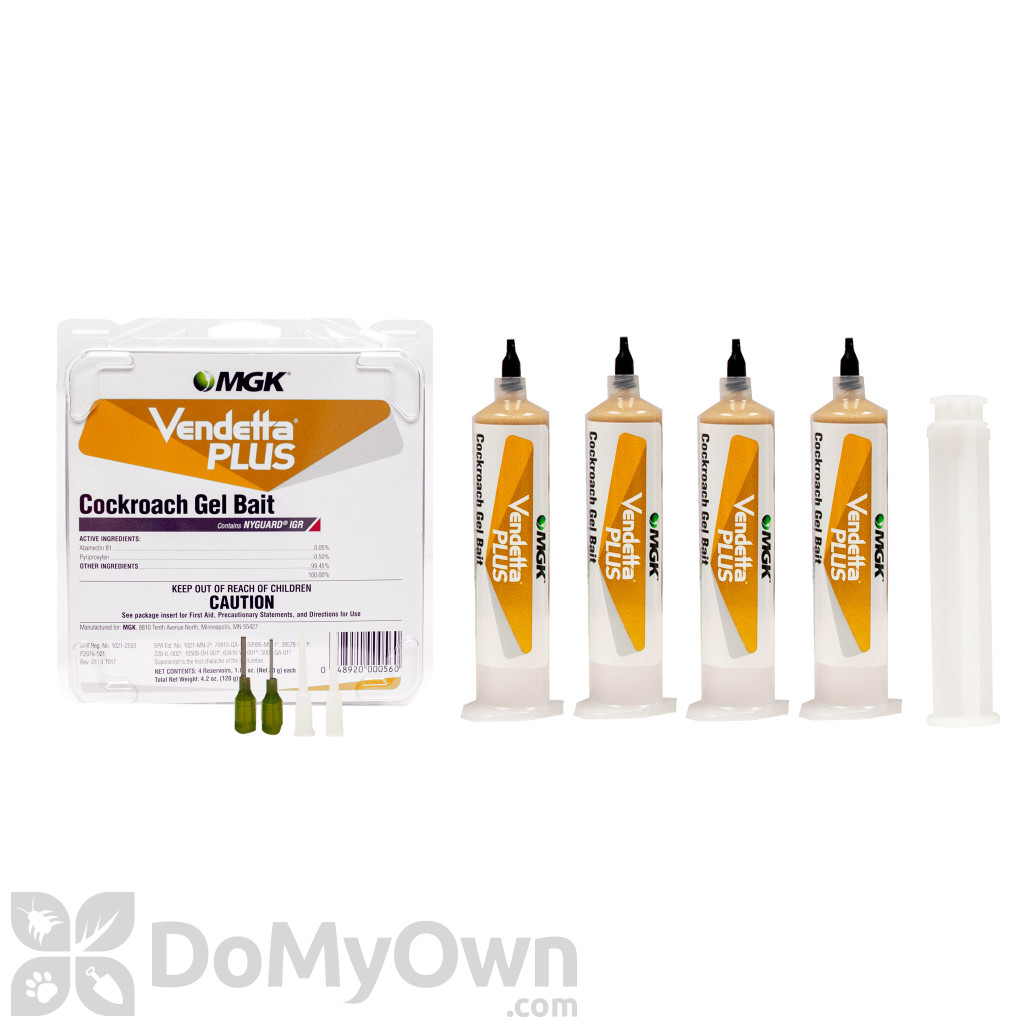
🛒🥇 THIS is my Go-To Roach Bait in the Field. Tried and Tested, with fast results! 👇👇 Check Price and Availability on DoMyOwn Pest Control Now 👇👇
Why Roaches Might Ignore Your Bait
If roaches can smell the bait, why do homeowners sometimes see them walk right past it? Over our decades in the industry, we’ve found it usually boils down to three tactical errors:
- Competing Food Sources: If your counters are covered in grease, open pet food bowls, or unsealed garbage, the bait has to compete with a massive buffet. Total sanitation is required to make the bait the only option.
- Dried-Out Gel: Cockroaches are intensely driven by a need for moisture. When gel bait sits out too long, it loses its water content and hardens into a plastic-like crust. If it’s dry, they won’t touch it.
- Poor Placement Strategy: Roaches travel along tight cracks, crevices, and structural edges. Placing a large blob of bait out in the open on the kitchen floor is useless. It must be tucked directly into the dark shadows and corners where they forge.
The 40-Year Pro Blueprint for Baiting Success
To maximize your bait’s attraction power and completely eliminate an infestation, follow this professional checklist:
1. Place Placements, Not Blobs
The single biggest mistake we see is squeezing out massive, thick lines of gel bait. A dozen tiny, pea-sized dots hidden inside hinges, behind appliances, and near pipe entrances will always outperform one giant glob. Small dots increase the surface area of the scent profile, making it easier for multiple roaches to discover it.
2. Never Spray Over Your Bait
If you apply a retail aerosol bug spray anywhere near your fresh gel bait, you will ruin it. Baseboard sprays are highly repellent; they will contaminate the bait, completely masking the sweet food odors and driving the cockroaches away from the treatment zone. Keep your baits and sprays entirely separate.
3. Pair With an IGR (Insect Growth Regulator)
While the bait targets the foraging adults, combining your baiting program with an IGR breaks the reproductive cycle. This birth control for bugs stops juvenile nymphs from molting into breeding adults, ensuring that any roaches missed by the bait cannot rebuild the population.