Last Updated on September 3, 2026 by Tim L. | Founder of Pest Control Playbook | Reviewed for Scientific Accuracy by our Co-Founder, an Associate Certified Entomologist (ACE)
If you just placed professional ant bait or finished spraying a non-repellent barrier, you are likely staring at your kitchen counters asking one question: How long does it take to get rid of ants?
Having more than 40 years of hands-on field experience and the technical oversight of an Associate Certified Entomologist, the short answer I give my customers is 3 to 7 days for common household sugar ants, and 2 to 4 weeks for deep-seated structural pests like carpenter ants.
The exact timeline depends entirely on the ant species, the size of the colony, and—most importantly—whether you are using professional colony-transfer chemistry or cheap consumer retail sprays that actually make the problem worse.
Here is your realistic timeline of what to expect, how to spot the signs of colony collapse, and the exact professional products we use on the road to finish the job fast.
⏱️ The Ultimate Ant Elimination Timeline
Not all ants are created equal. A small, single-queen colony nesting in a flowerpot will collapse much faster than a multi-queen supercolony hidden behind your drywall.
Use this quick-reference table to find your target timeline based on the type of ant invading your home:
| Ant Species | Typical Elimination Time | Best Professional Product Strategy |
|---|---|---|
| Odorous House Ants (Sugar Ants) | 3 to 7 Days | Sweet Gel Baits + Non-Repellent Perimeter Sprays |
| Pavement Ants (Slab/Sidewalk) | 5 to 10 Days | Granular Protein Baits + Gel Baits |
| Carpenter Ants (Structural Wood) | 2 to 4 Weeks | Specialized Foams + Heavy Carbohydrate/Protein Rotation |
| Pharaoh Ants (Indoor Supercolonies) | 3 to 6 Weeks | NEVER SPRAY. Strict, slow-acting bait matrices only. |
💡 Professional Affiliate & Editorial Disclosure
Transparency Note: At Pest Control Playbook, our mission is to provide actionable, field-proven advice backed by 42 years of combined field experience. To keep our deep guides free and support the site, some of the links on this page are affiliate links. If you click through and buy a recommended professional-grade product, we may earn a small commission at no extra cost to you. We only recommend solutions we have personally used to solve real-world infestations in the field.
🗓️ What to Expect: A Day-by-Day Breakdown
When dealing with professional-grade ant control, success looks very different than it does with traditional retail bug sprays. Here is what your week will look like after proper treatment:
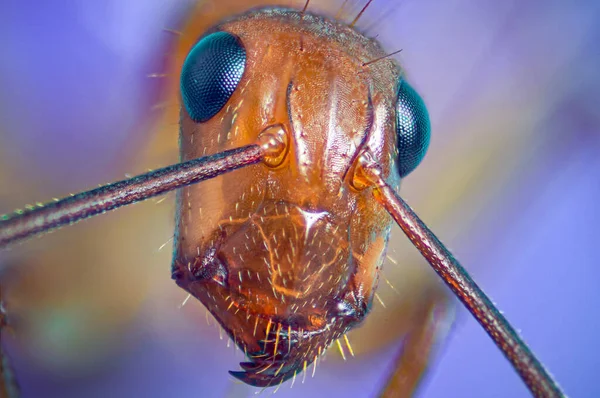
Phase 1: The First 24 to 48 Hours (The Spike)
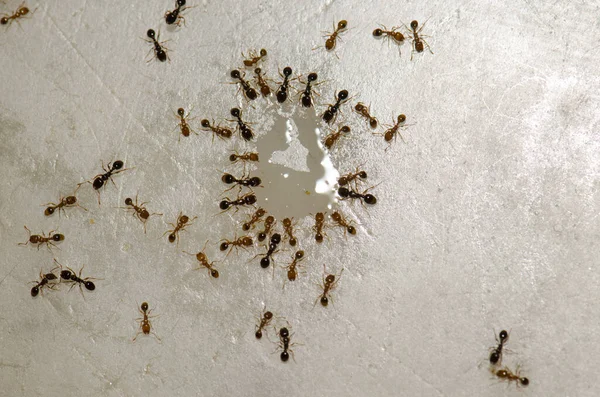
Do not panic if you suddenly see three times as many ants crawling on your counters after placing bait. This is the ultimate sign of success.
Professional attractants use highly irresistible pheromones and food matrices. The worker ants are doing exactly what they are supposed to do: gathering the bait, trailing it back to the nest, and feeding it to the larvae and the queen.
- 🚨 Pro-Tip: Do not spray these trailing ants. If you kill them on contact, you break the chain of transfer, and the hidden colony survives.
Phase 2: Days 3 Through 7 (The Slowdown)
By day four, the active ingredient begins disrupting the colony’s central nervous system or digestive tract. You will notice:
- Ant trails becoming fractured, disorganized, or shorter.
- Lethargic, slow-moving ants wandering away from food sources.
- A massive drop-off in total volume.
Phase 3: One to Two Weeks (The Clearout)
For common house ants, this is the finish line. Active trailing should completely cease. If you are still seeing steady traffic after 14 days, the colony is either massively oversized, or the ants are ignoring your bait for an alternative food source (like grease under the stove or open pet food).
🛠️ The Professional Elimination Gear Guide
To hit the fast end of these timelines, you have to use professional transfer chemistry. Retail sprays use harsh synthetic pyrethroids that act as “repellents.” They kill 50 ants on contact, scare the rest of the colony, and cause a process called budding, where the colony splits into three new nests inside your walls.
Instead, use the exact setup we carry in our trucks:
1. Liquid Bait (For Sugar & Odorous House Ants)
When ants are looking for sweets and moisture, liquid sweet baits are unmatched. They can’t eat solid bait fast enough, but they will rapidly gorge on liquid formulations and return to the nest.
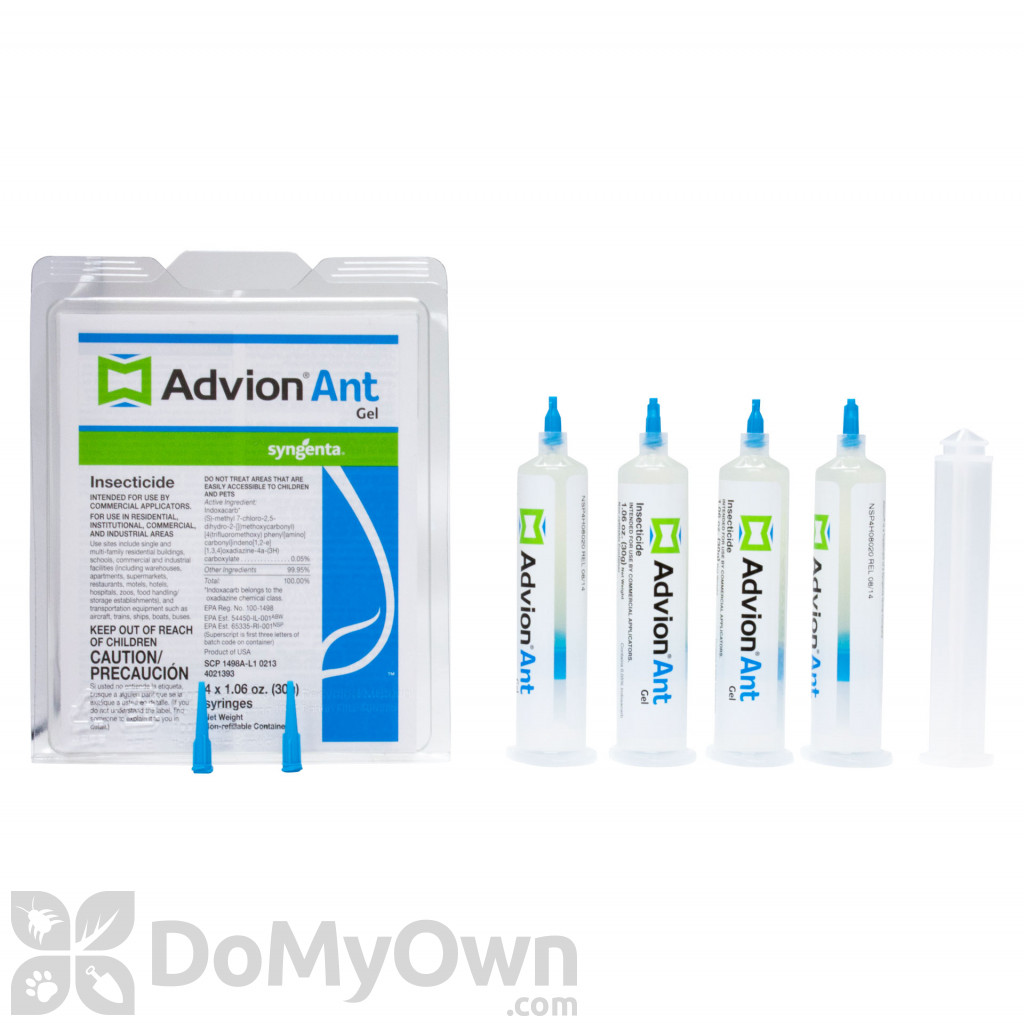
- 🛒 The Pro Pick: Syngenta Advion Ant Gel Bait or grab a pack of Maxforce Quantum Liquid Ant Bait . These remain attractive for weeks without drying out into a hard crust. Check Price on DoMyOwn Now! We Use THIS 👇👇 in the Field Everyday 👇👇👇
2. Non-Repellent Perimeter Sprays (The Invisible Barrier)
Instead of spraying a chemical wall that ants avoid, professionals use an invisible, non-repellent liquid. Ants walk right through it, completely unaware they are coating their bodies in a micro-encapsulated active ingredient that they will pass to every other ant they groom in the nest.
- 🛒 The Pro Pick: BASF Alpine WSG. This is an incredibly safe, indoor/outdoor labeled granule that dissolves in water. It has zero odor and won’t disrupt your baiting program.
3. Granular Baits (For Pavement and Outdoor Foragers)
If your ants are nesting under concrete slabs, patios, or mulch beds, a granular bait is easiest to broadcast around the exterior foundation.
- 🛒 The Pro Pick: Maxforce Complete Granular Bait. This contains a mix of proteins, fats, and carbohydrates to satisfy shifting seasonal ant diets.
👉👉 Looking for a complete Ant Elimination Guide? Read THIS Now
⚠️ 4 Mistakes That Are Making Your Ant Problem Last Longer
If you are entering week three and still fighting bugs, check your home for these common technical errors:
- Moving Bait Stations Daily: Ants rely on fixed pheromone trails. If you move a bait placement even a few inches, the workers have to find it all over again, resetting your timeline.
- Competing Food Sources: A professional bait cannot compete with an open box of cereal, sticky soda spills behind the trash can, or a dirty pet food bowl. Deep-clean your kitchen before placing bait.
- Using Bleach/Lysol Near Baits: Strong household cleaners erase the ants’ natural tracking scents and contaminate your bait placements, making the worker ants completely avoid them.
- Premature Cleanup: Just because you don’t see ants for 48 hours doesn’t mean the larvae are dead. Leave your bait stations out for at least a week after the last ant disappears to catch the next hatching wave.
🗺️ When to Call a Local Professional
If you have deployed professional baits for over 21 days and continue to find heavy activity, you likely have an advanced structural infestation—such as a satellite carpenter ant nest inside a moisture-rotted wall void—that requires physical inspection, wall void foaming, or specialized tracking tools.
If you don’t want to handle chemical mixing and bait rotations yourself, let a licensed local pro step in and take care of the structural hunting for you.
- 📍 In Alexandria, VA? View our regional guide and connect directly with our vetted partner Enviro-Tech Pest Services in Alexandria.
- 📍 In Woodbridge / Dale City? See our pest control directory and secure an inspection through My Exterminator in Woodbridge.