Last Updated on September 11, 2026 by Tim L. | Founder of Pest Control Playbook | Reviewed for Scientific Accuracy by our Co-Founder, an Associate Certified Entomologist (ACE)
If you have discovered a line of ants marching across your kitchen countertops, bathroom vanities, or baseboards, your immediate reaction is probably to look for a quick home remedy before spraying heavy synthetic pesticides around your family and pets.
The internet is flooded with “natural ant hacks” that promise complete eradication. However, the reality on the ground is starkly different. Most popular home remedies merely annoy the ants, scattering them deeper into your walls and stretching out a minor issue into a prolonged infestation.
In my 42 years of hands-on field experience, I have tested nearly every natural remedy under the sun. By combining real-world field diagnostics with our team’s Associate Certified Entomologist (ACE) credentials, we can look past the internet myths and focus directly on behavioral science. This guide covers exactly what natural methods possess the chemical and physical mechanics to kill ants naturally, and which ones are an absolute waste of your time.
Natural Methods That Actually Work (The Science on the Ground)
To truly eliminate an ant infestation naturally, a remedy must do one of two things: it must physically destroy the ant’s exoskeleton through desiccation, or it must trick the workers into carrying a slow-acting natural mineral back to the queen to destroy the colony’s breeding core.
💡 Professional Affiliate & Editorial Disclosure
Some links on this page are affiliate links, meaning a small commission may be earned on recommended professional-grade products (like pressurized backpack sprayers or commercial baits) at no extra cost to you.
1. Food-Grade Diatomaceous Earth (DE)
Food-grade diatomaceous earth is a natural powder made from the fossilized remains of microscopic, aquatic organisms called diatoms.
- The Field Science: To the human hand, DE feels like soft chalk dust. To an ant, it functions like microscopic broken glass. When an ant walks through a light dusting of DE, the sharp particles cut through the waxy, protective lipid layer of its exoskeleton. This structural breach causes the ant to rapidly lose moisture and die from dehydration.
- Technician Application Secret: Never pour DE in thick, heavy lines or piles. Ants are smart; if they see a large white ridge, they will simply walk around it. Instead, use a professional dust bulb applicator to apply an invisible, ultra-light dusting into wall voids, behind electrical outlets, and inside the cracks beneath your baseboards. Most importantly, keep it dry—wet DE loses its mechanical killing power completely.
2. Borax and Sugar Baits
While borax (sodium tetraborate) is a mined, natural mineral frequently found in laundry aisles, it must be handled with care.
- The Field Science: Ants have highly advanced collective feeding habits. If you use a contact killer, you only kill the 10% of the colony out foraging. By mixing borax with sugar water or maple syrup, you create a slow-acting natural bait. The worker ants are drawn to the sugar, ingest the borax, and carry it back to share with the queen and nymphs. Once inside their digestive systems, the borax disrupts their water balance and destroys their gut lining.
- Safety Warning: Although natural, borax is toxic if ingested. Always apply borax-based mixtures deep inside cracks, crevices, or dedicated bait stations completely out of reach of children and pets.
3. White Vinegar (The Trail Eraser)
White vinegar does not possess the chemical profile to destroy an entire underground colony, but it is an elite tool for structural trail disruption.
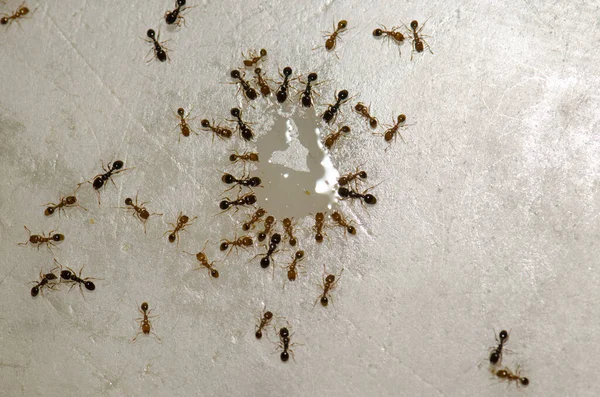
- The Field Science: Scout ants navigate using complex pheromone trails. When a scout finds food in your pantry, it leaves a chemical scent trail guiding thousands of other workers straight to the target. Wiping down your surfaces with a 50/50 mixture of white vinegar and water breaks down those greasy pheromone bonds, instantly blinding the trailing workers and halting the kitchen invasion while you hunt for the source.
The Boiling Water Illusion
If you have located a large ant mound out in your lawn or along a concrete walkway, pouring a gallon of boiling water directly into the opening will instantly kill any surface-level ants it touches.
However, in my decades of clearing acreage, I have found this rarely completely kills an established colony. Advanced ant species build deep, subterranean multi-tiered chambers that extend several feet below the frost line. The boiling water cools rapidly as it hits the soil, failing to reach the queen’s lower nursery chambers. The surviving ants will simply pack up the remaining larvae, move ten feet to the left, and build a brand-new mound by morning.
👉👉 How Long Does it Take to get Rid of Ants? Read THIS Article to Find Out
5 Natural Internet Myths That Fail Every Single Time
If you read an article recommending any of the following items to eliminate a structural ant problem, delete it. These methods lack the biological mechanics to solve a real infestation:
- 1. Coffee Grounds: Ants do not like the strong scent of used coffee grounds, but placing them around your foundation will not kill them. They will simply pioneer a new trailing route two inches away.
- 2. Cinnamon Powder: While cinnamon essential oils contain compounds that repel insects temporarily, ground cinnamon spice acts as nothing more than a mild physical speed bump.
- 3. Chalk Lines: The myth that ants cannot cross a chalk line is completely false. Chalk dust may briefly confuse their sensory receptors, but they will cross the line within minutes once a high-value food source is identified.
- 4. Cucumber Peels: Internet blogs claim the compounds in cucumber skins are toxic to ants. In reality, unless you are covering your entire kitchen floor in rotting peels, this does absolutely nothing.
- 5. Ultrasonic Pest Repellers: These plug-in electronic units claim to emit high-frequency sound waves that drive pests away. In 42 years of inspecting crawlspaces, I have found ant colonies nesting directly inside the electrical outlets right behind these running machines. They do not work.
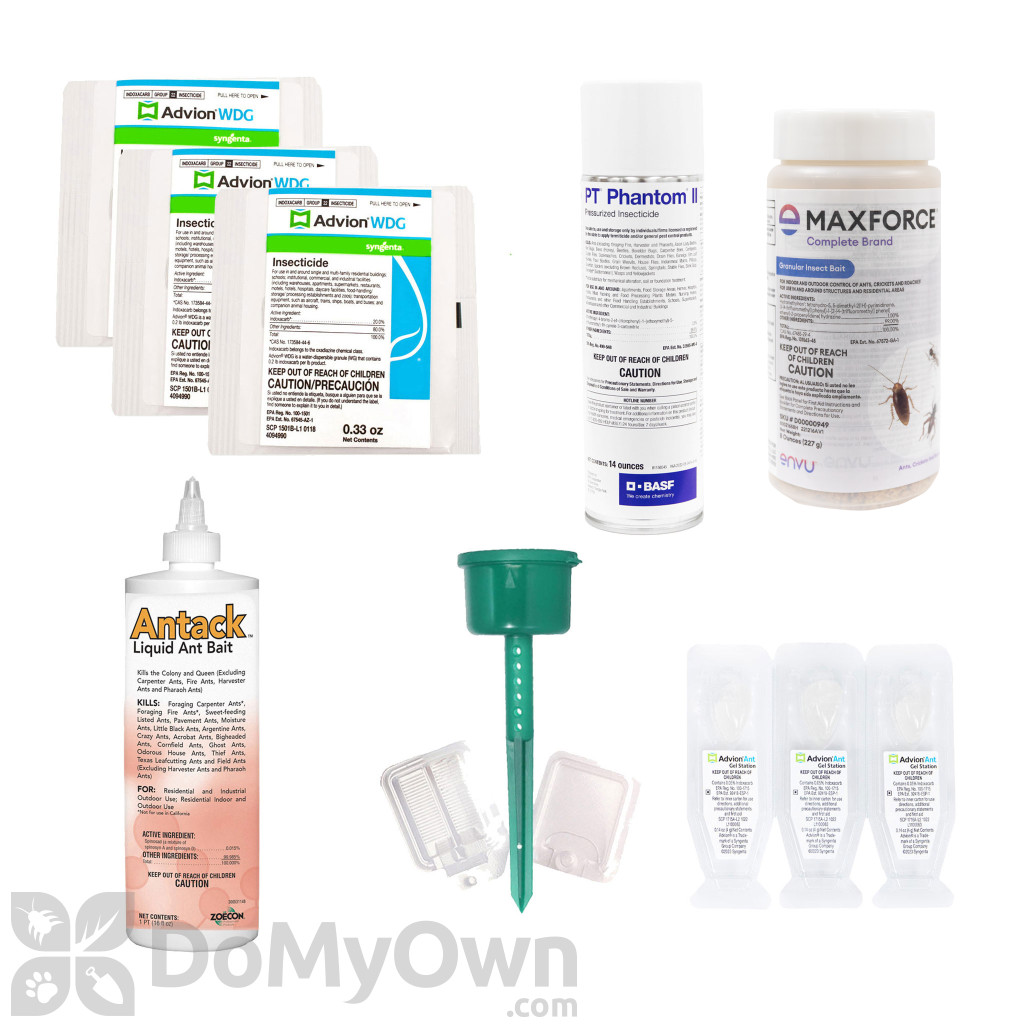
🛒🥇 Don’t waste Time and Money on “Natural Ant Killers” that rarely work. Professional Grade Products are Tried and True to kill ants fast. 👇👇 Check DoMyOwn Now for This Complete Ant Control Kit 👇👇
The Master Ant Field Diagnostics Checklist
Use this systematic field audit checklist to target the true source of your ant problem and deploy your natural remedies with maximum scientific precision.
Step 1: Perimeter Entry-Point Audit
- Inspect the exterior foundation wall directly below your kitchen window; search for microscopic trailing lines heading upward.
- Trim back all tree branches, ivy, and heavy shrubbery touching your roofline or gutters; ants use these as high-altitude bridges to bypass ground barriers.
- Pull back wood mulch and landscape timbers within three feet of the foundation wall to check for hidden satellite nests.
- Check all window screens and exterior door weatherstripping for gaps wider than a single millimeter.
Step 2: Interior Trail Suppression & Barrier Placement
- Wash down active trailing areas with a 50/50 white vinegar solution to instantly wipe out the colony’s communication trails.
- Empty all open pantry items (sugar, flour, cereal) into thick, airtight plastic or glass containers.
- Use a dust bulb applicator to inject food-grade diatomaceous earth deep behind baseboards, beneath cabinets, and around plumbing pipe penetrations.
- Wipe out the bottom tracks of sliding glass patio doors; clear away accumulated moisture, dirt, and organic debris.
Step 3: Colony Elimination Monitoring
- If using a natural borax-and-sugar bait, check the bait site after 24 hours. If a heavy line of ants forms, do not disturb them—let them carry the material back to the queen.
- Keep the bait site continuously moist; dry borax bait will be completely ignored by the colony.
- If ant traffic continues to surge after seven days of continuous baiting, it means the subterranean colony is too massive for basic natural remedies and requires an undetectable professional transfer material.
Disclaimer: While the pest control methods outlined in this handbook reflect decades of professional field experience and rigorous entomological review, always read, understand, and strictly follow the specific manufacturer labels on any pest control products applied to your property.