Last Updated on September 30, 2026 by Tim L. | Founder of Pest Control Playbook | Reviewed for Scientific Accuracy by our Co-Founder, an Associate Certified Entomologist (ACE)
When the cold autumn and winter weather sets in, crawling pests do not just vanish. Spiders, silverfish, ants, and overwintering beetles migrate deep into the hidden structural spaces of your home—specifically inside your wall voids, plumbing chases, and behind electrical outlet boxes. Once inside these dry cavities, they can comfortably harbor all winter long before emerging directly into your kitchen and bathrooms.
To eliminate these hidden infestations, professional exterminators have long relied on insecticide dusts applied with specialized hand dusters. For decades, the industry standard has been synthetic products like Delta Dust. However, eco-conscious homeowners who want a true organic lifestyle are rightfully hesitant to pump synthetic chemical neurotoxins into their wall cavities, where indoor air currents can potentially distribute the fine particles into their living spaces.
As an Associate Certified Entomologist (ACE) with a team backing over 40 years of hands-on pest control field experience, I want to share a major industry secret: you can get the exact same long-lasting, moisture-resistant void protection using a completely natural product. That product is EcoVia WD Botanical Dust.
💡 Professional Affiliate & Editorial Disclosure
Some links on this page are affiliate links, meaning a small commission may be earned on recommended professional-grade products (like pressurized backpack sprayers, professional roach baits, and organic insecticides) at no extra cost to you.
The Synthetic Standard: Understanding Delta Dust
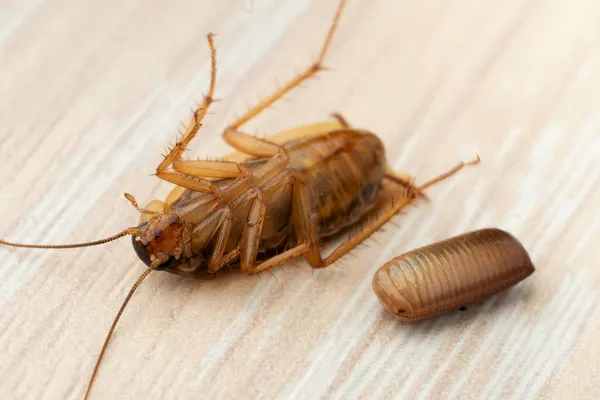
To understand why a natural alternative is such a game-changer, you have to look at what it is replacing. Delta Dust is a highly effective, waterproof synthetic dust that relies on an active ingredient called deltamethrin. It is a chemical pyrethroid that disrupts a bug’s central nervous system on contact.
While it is highly stable and does not clump in moist environments, it is a synthetic chemical that carries strict environmental handling restrictions. For homeowners seeking to protect the planet and minimize chemical exposure inside their homes, using a synthetic pyrethroid throughout their interior walls is simply a non-starter.
👉 Looking for The Best Organic Pest Control Liquid Concentrates? Read THIS Article Now
The Organic Solution: Why EcoVia WD is the True Green Champ
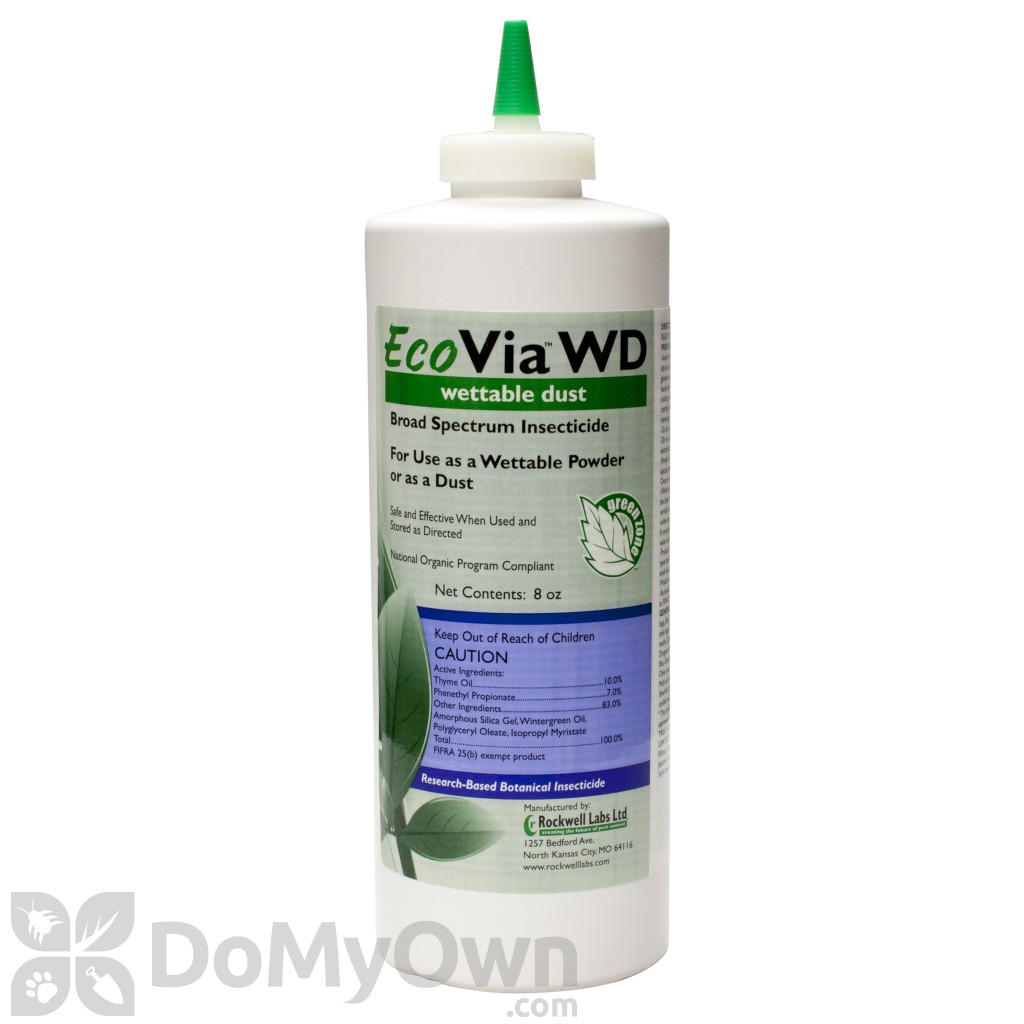
EcoVia WD is a professional-grade, 25(b) EPA-exempt botanical insecticide dust. Instead of synthetic laboratory chemicals, its lethal power comes directly from nature, using a concentrated blend of thyme oil and rosemary oil overlaid onto a natural, food-grade mineral carrier.
Because it is a dry powder rather than a pressurized aerosol, it requires zero chemical propellants, making it incredibly safe for the ozone and your indoor air quality. It functions by targeting the octopamine neuro-receptors found only in invertebrates. Since humans, dogs, cats, and birds do not possess these receptors, EcoVia WD delivers target-specific eradication to bugs while keeping your household completely safe.
Furthermore, EcoVia WD is uniquely formulated as a wettable powder. This means you can use it as a dry dust inside walls, or you can mix it with water in a pump sprayer to use as a liquid. For our indoor winter playbook, however, we use it strictly as a dry dust to take advantage of its incredible lifespan inside dry voids.
🛒🥇 Check Current Pricing and Buy EcoVia WD Botanical Dust Here
How to Apply EcoVia WD Inside Wall Voids Safely
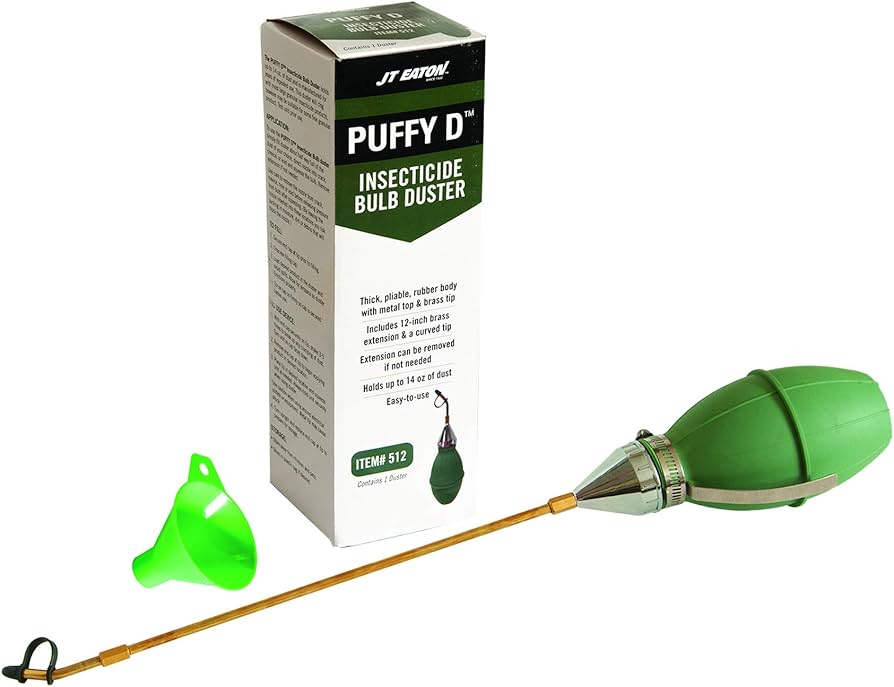
Applying an insecticidal dust requires a completely different technique than spraying a liquid. You cannot just throw the powder into a corner. You must use a dedicated professional tool called a bellows duster or a bulb duster to create a fine, floating cloud of dust inside hidden cavities.
1. Target Electrical Outlets and Switch Plates
Remove the plastic faceplates from your electrical outlets and light switches along exterior walls. Insert the narrow tip of your hand duster into the small gaps between the electrical box and the drywall. Give the duster a gentle squeeze. The air current will carry a fine coat of EcoVia WD deep into the wall void, creating an invisible, natural no-trespassing zone for crawling insects. Remember, a very thin layer of dust is all that is needed. More is Not better
2. Seal Up Plumbing Pipe Penetrations
Look under your kitchen sink, behind toilets, and inside utility closets where plumbing pipes pass through the drywall. These pipe chases are literal highways for pests. Insert your duster tip into the gaps around the pipes and apply a thorough puff of botanical dust before sealing the gap with eco-friendly caulking or copper mesh.
🛒🥇 Check Prices and Availability on DoMyOwn Now. Shop Professional Hand Dusters Here
👉 Having Spiders in Your Basement? Read THIS Article Now to Learn About The Best Organic Spider Sprays for Basements
Frequently Asked Questions (FAQ)
Does EcoVia WD lose its strength inside walls over time?
No. As long as the wall void remains dry and undisturbed, EcoVia WD will remain active and continue to kill crawling insects for several months, up to a full year. Because it is protected from sunlight and rain inside the walls, the natural essential oils do not break down rapidly.
What pests does EcoVia WD control best?
EcoVia WD is exceptionally lethal against crawling structural pests that love dark, dry voids. This includes spiders, silverfish, ants, centipedes, firebrats, and overwintering stink bugs or lady beetles.
Does EcoVia WD have a strong scent indoors?
Because it is made from concentrated thyme and rosemary oils, it has a distinct herbal aroma when first applied. When puffed inside closed wall voids, the scent is contained away from the living areas and fades into a very light, pleasant freshness over a few days.
Can EcoVia WD be used near electrical wiring safely?
Yes. Because it is a completely dry, non-conductive powder dust, it is perfectly safe to apply into the structural voids surrounding electrical boxes and conduits, unlike water-based liquid sprays which carry a shock hazard near open wiring.