Last Updated on September 23, 2026 by Tim L. | Founder of Pest Control Playbook | Reviewed for Scientific Accuracy by our Co-Founder, an Associate Certified Entomologist (ACE)
You set your traps, loaded up your bait stations, and waited for the problem to resolve itself. A few days pass, you check the boxes, and the bait is completely untouched. Meanwhile, you are still hearing scratching in the walls and finding fresh droppings along your baseboards.
It is incredibly frustrating when mice completely ignore the very thing meant to eliminate them.
As a team with over 40 years of hands-on pest control field experience and Associate Certified Entomologist (ACE) backing, we see this exact scenario every single week. Mice aren’t ignoring your bait because they aren’t hungry—they are ignoring it because of specific behavioral triggers, environmental competition, or technical setup errors.
⚡ Quick Answer: Why Mice Are Ignoring Your Bait
Mice typically refuse to eat bait for three main reasons: competing food sources (like accessible pet food or birdseed), scent contamination from human hands on the bait, or bait shyness caused by surviving a low-grade, slow-acting retail poison. To fix it instantly, always wear gloves when handling stations, remove all competing food, and switch to a highly aromatic, professional-grade soft bait formulation.
💡 Professional Affiliate & Editorial Disclosure
Some links on this page are affiliate links, meaning a small commission may be earned on recommended professional-grade products (like pressurized backpack sprayers, professional mouse baits, or exclusion materials) at no extra cost to you.
🔍 4 Reasons Mice Are Passing Up Your Bait (And How to Fix It)
1. The “Too Many Groceries” Problem (Food Competition)
Mice are opportunistic foragers, but they are also creatures of habit. If they have a reliable, high-calorie food source nearby, they have absolutely no reason to risk trying a hard, chemical-laden wax block inside a plastic box.
- The Culprits: Open bags of dog or cat food, spilled grass seed in the garage, overflowing trash cans, or backyard bird feeders.
- The Fix: You must completely cut off their supply line. Store all pet food and grains in airtight plastic or metal bins. Sweep up crumbs and move bird feeders away from the foundation of the house. Force them to become hungry enough to investigate your stations.
2. Human Scent Contamination
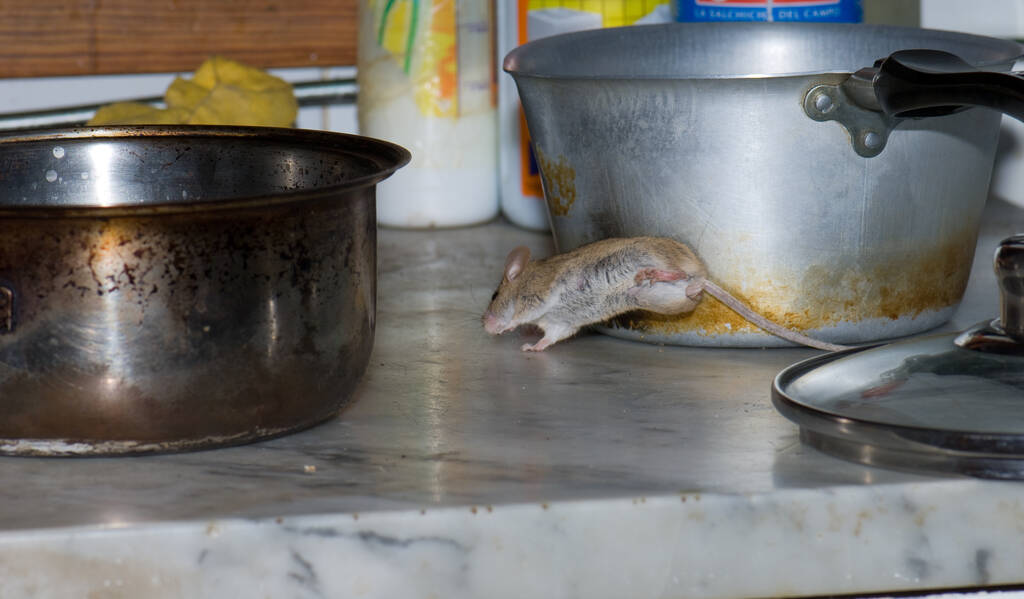
Mice have an incredibly acute sense of smell. They can detect the chemical signatures of predators—including humans—from a distance. If you handled the bait stations or the bait blocks with your bare hands, you transferred your natural skin oils and scents directly onto the material.
- The Fix: Always wear heavy-duty nitrile gloves when setting, checking, or baiting your stations. This serves two purposes: it protects you from dangerous rodent-borne pathogens and keeps the bait smelling exactly like the food attractants the manufacturer intended.
3. Bait Degradation and Staleness
Mice are surprisingly picky eaters. If your bait has been sitting in a damp crawlspace or a scorching hot attic for months, it loses its appeal. The essential oils evaporate, the wax block cracks, and it can even grow mold or become infested with insects like mites or beetles. We always change out and use fresh rodent baits in the field with every service (Bi-monthly or quarterly), ensuring freshness and palatability.
- The Fix: Inspect your stations regularly. If a block looks dusty, faded, or fuzzy, discard it. Fresh, highly aromatic bait is critical for drawing mice into the station tunnels. Always use professional mouse baits purchased directly from a pest control company (such as DoMyOwn Pest Control) as opposed to your local hardware store or Amazon and Ebay. Freshness and Quality matters!
4. Sub-Lethal Bait Shyness
If you used cheap, retail-grade hardware store baits, a mouse may have nibbled just enough to make themselves sick without consuming a lethal dose. When a rodent survives a toxic encounter, they develop bait shyness. They will remember the smell and shape of that specific bait and avoid it entirely.
- The Fix: Break the pattern by upgrading to a completely different formulation. If you were using hard blocks, switch to a premium soft bait packet that uses an entirely different active ingredient and aroma profile. Check our our deep dive into The Best Poison to Kill Mice and Rats to completely eradicate your rodent infestation now.
🪤 The Professional Setup: Recommended Gear
To break through stubborn mouse populations, you need to rely on the exact tools the pros use in the field.
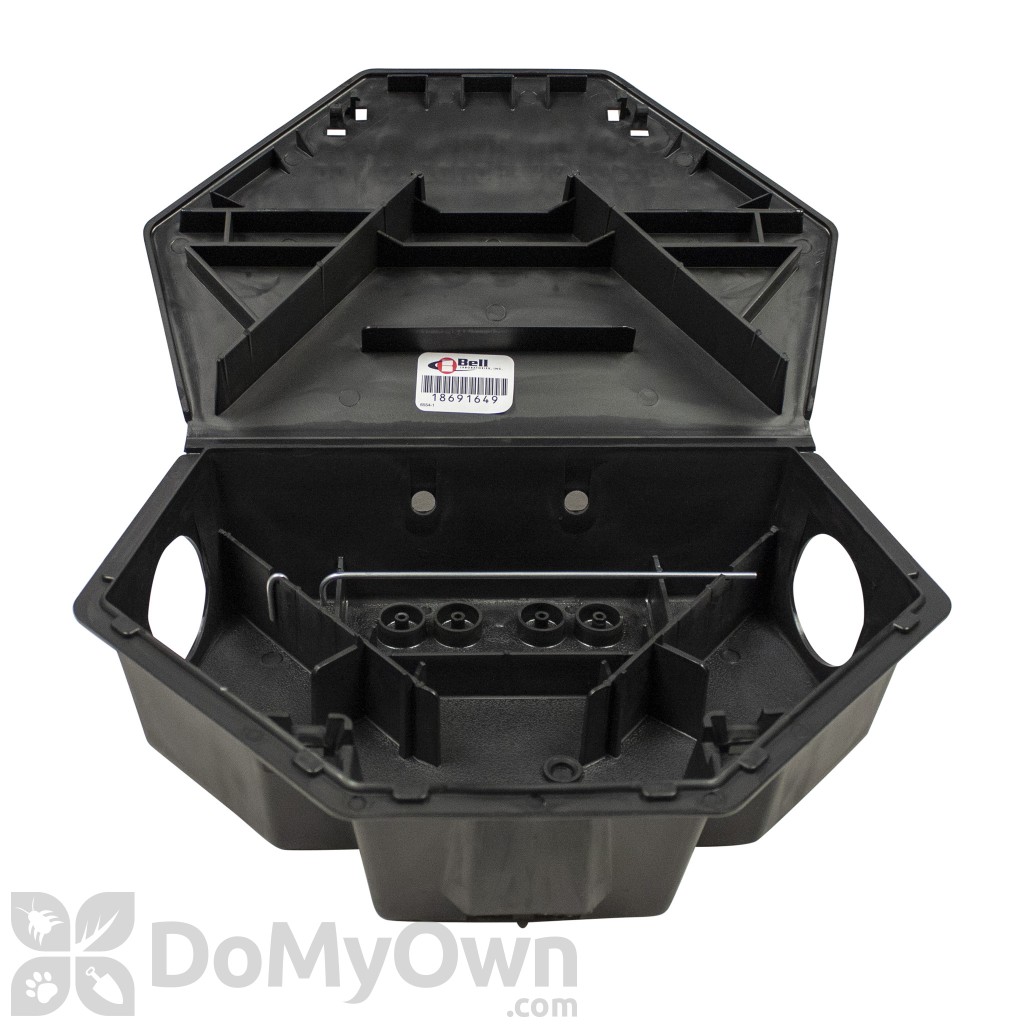
- The Foundation: Protect your property by placing secure, tamper-resistant perimeter stations around the exterior foundation. Check out the Protecta LP Sidekick Bait Stations to keep your bait safe from non-target animals while offering an inviting tunnel entry for foraging mice.
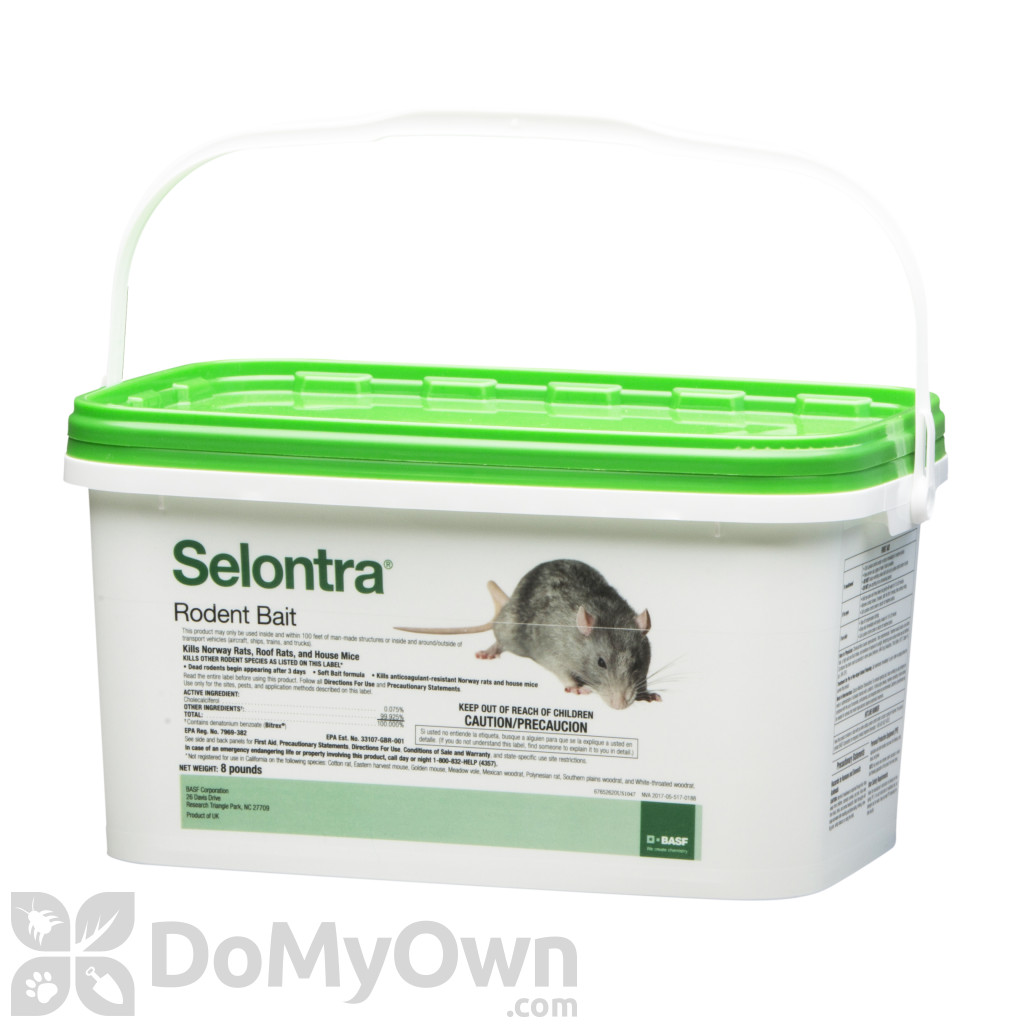
- The Premium Attractant: When mice are avoiding standard hard wax blocks, you need a high-fat, highly aromatic soft bait that mimics real food. We highly recommend using Selontra Soft Bait Pouches to overcome tough food competition in garages, kitchens, and basements.