
Last Updated on September 18, 2026 by Tim L. | Founder of Pest Control Playbook | Reviewed for Scientific Accuracy by our Co-Founder, an Associate Certified Entomologist (ACE)
If you are dealing with a mouse infestation, simply buying a handful of traps isn’t enough to solve the problem. Most DIY rodent control efforts fail not because of the trap itself, but because of poor placement. Mice have specific behavioral patterns, and understanding their psychology is the secret to a successful trapping program.
With over 40 years of combined professional pest control and entomology experience, our team has deployed thousands of rodent setups in the field. In this playbook, we are pulling back the curtain on professional trapping strategies to help you clear out mice quickly, cleanly, and safely.
The Core Rule of Rodent Psychology: Thigmotaxis
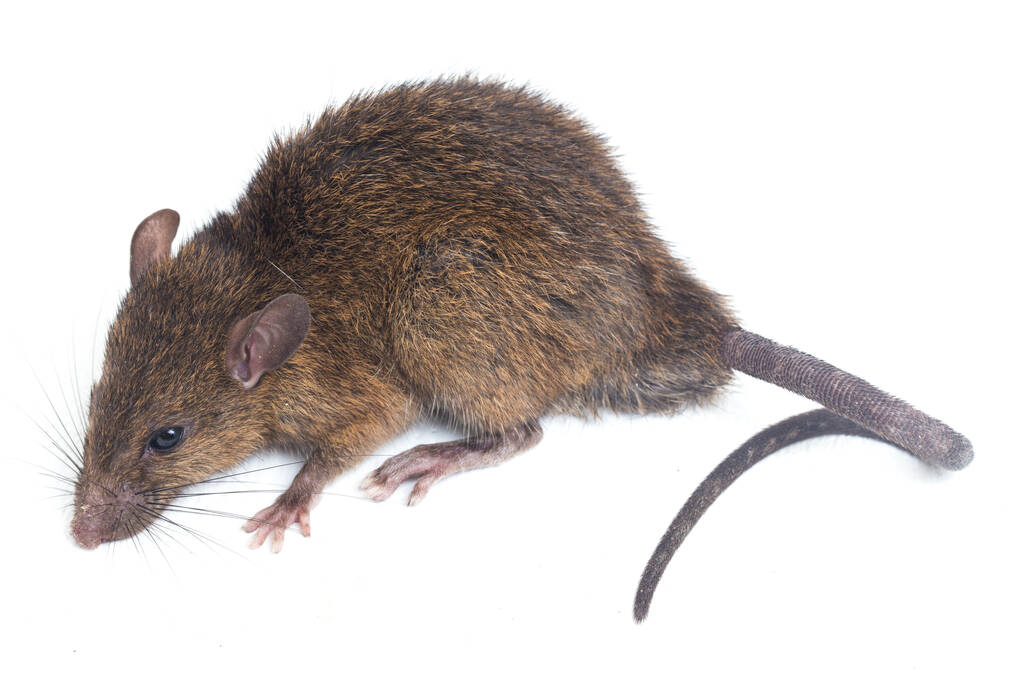
To understand where to place mouse traps in a house, you must understand a biological trait called thigmotaxis. Mice are small, vulnerable prey animals. Because of this, they are naturally blind and rely heavily on their whiskers (vibrissae) to navigate. They will almost never run across the center of an open room. Instead, they travel tightly along vertical surfaces—walls, baseboards, cabinets, and major appliances—using their whiskers to feel their way in the dark.
If you place a mouse trap even a few inches away from a wall, a mouse will likely bypass it entirely. Every single trap you set must be positioned directly in their travel paths.
💡 Professional Affiliate & Editorial Disclosure
Some links on this page are affiliate links, meaning a small commission may be earned on recommended professional-grade products (like pressurized backpack sprayers, mouse traps, or commercial baits) at no extra cost to you.
5 Critical Areas for Proper Mouse Trap Placement
When inspect your home, look for structural highways and active feeding zones. Here are the five highest-probability areas to deploy your traps:
1. Perpendicular to Baseboards and Walls
When placing snap traps along a wall, do not place them parallel to the baseboard. If a mouse is traveling fast, it can jump right over the trap trigger. Instead, place the trap perpendicular to the wall, with the trigger mechanism facing the baseboard. This forces the mouse to step directly onto the trigger plate whether it is traveling from the left or the right.
👉👉 Hearing scratching sounds? Read THIS Article to see how to get rid of mice in your walls
2. The Kitchen Appliance Runway
Kitchens are the number one target for rodents due to easy access to food and water crumbs. Pull out the bottom drawer of your stove or look behind your refrigerator. The narrow gaps between your appliances, counters, and walls are primary rodent highways. Place traps inside these tight utility gaps where mice feel safe from open sight.
3. Dark Utility Closets and Pantries
Mice love quiet, dark areas with low foot traffic. Inspect your pantry, water heater closet, and laundry room. Look closely for small black droppings, chewing marks on drywall, or rub marks (dark grease stains left by the oils in a mouse’s fur). Place traps in the back corners of these closets along the floorboards.
4. False Bottoms and Under-Cabinet Voids
Many modern kitchen and bathroom cabinets have a hollow “kickplate” or a false bottom underneath them. Mice love utilizing these hidden voids to travel safely underneath your floors. If your cabinets have access panels or pipe cutouts underneath the sink, place a mouse trap or bait station inside that cabinet void right next to the plumbing line penetration.
5. Attic Joists and Basement Sills
If you hear scratching at night, the mice are likely traveling through your structural timbers. In the attic, look for flattened insulation paths or droppings and place traps directly on top of the wooden joists. In basements or crawlspaces, place traps along the top sill plate (the wooden beam that sits directly on top of your concrete foundation wall).
Professional Trapping Strategies to Maximize Success
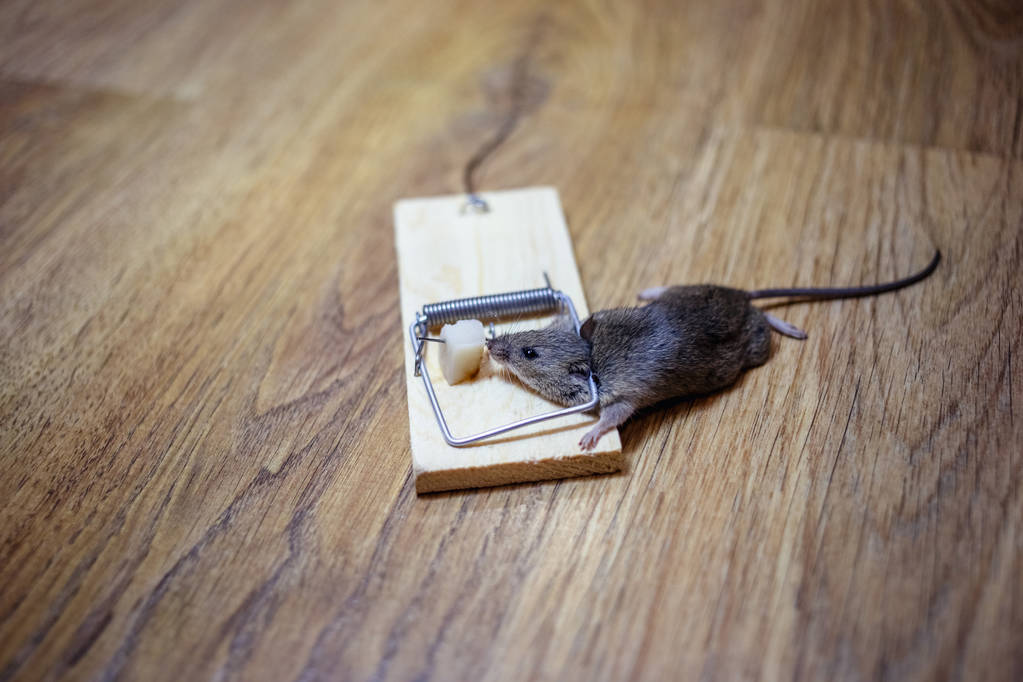
- The Double-Trap Technique: Mice are incredibly agile and can sometimes leap over a single trap. To prevent this, place two snap traps side-by-side or back-to-back, about an inch apart, along a wall runway. If they jump over the first, they will land directly on the second trigger.
- The “Trap Density” Rule: A common DIY mistake is setting out only two or three traps for an entire house. If you see signs of one mouse, assume there are several. Deploy traps in high density—setting 10 to 15 traps spaced just 2 to 3 feet apart in high-activity zones.
- Pre-Baiting Trick: If mice are highly cautious, place your traps out with bait (like peanut butter or professional attractant) but do not set the spring trigger for the first 48 hours. Allow the mice to eat off the traps safely. Once they lose their fear and trust the trap as a food source, set all the triggers at once for a massive, immediate knockdown.
Professional Rodent Control Gear
(To maximize conversions, we recommend linking to these professional-grade DIY items available on DoMyOwn Pest Control.)
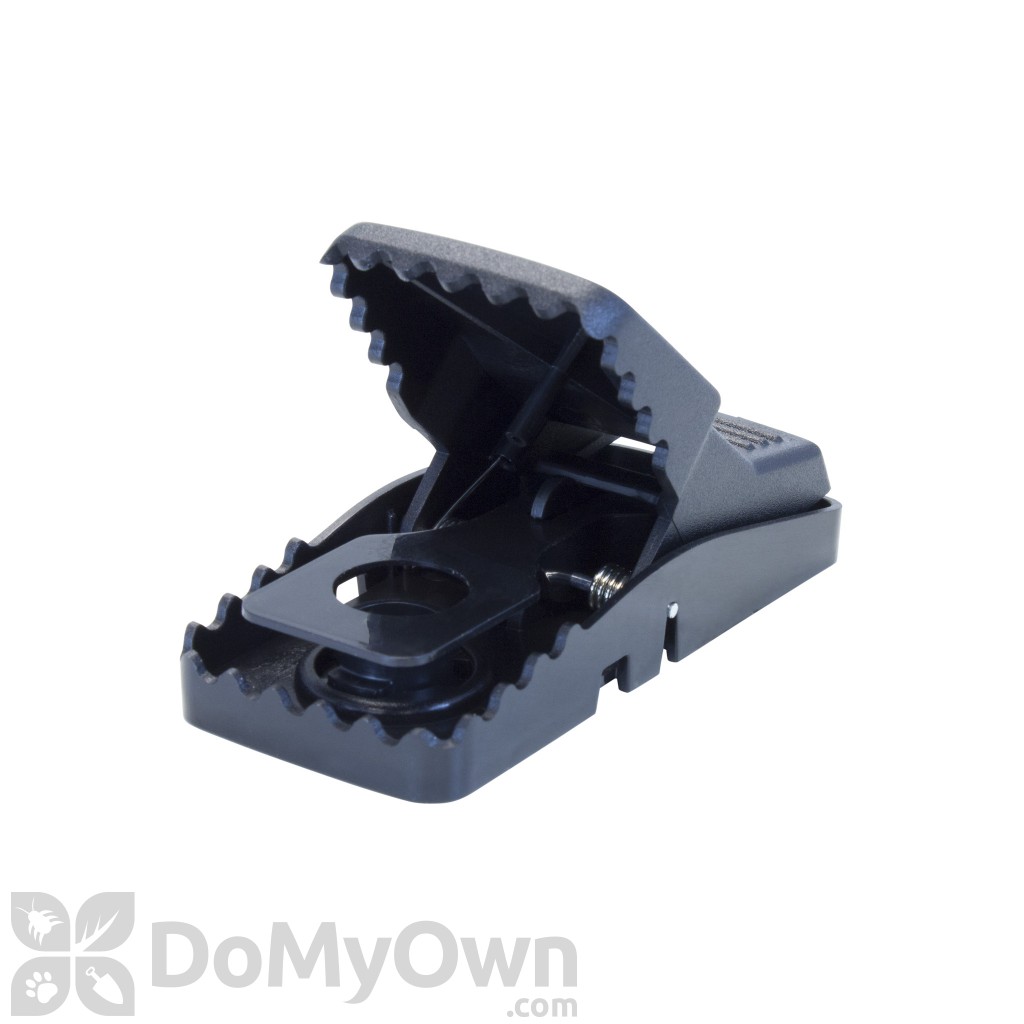
- Professional Snap Traps: Standard wooden traps work, but professional-grade plastic snap traps feature a larger trigger matrix and are significantly easier and safer to set for homeowners.
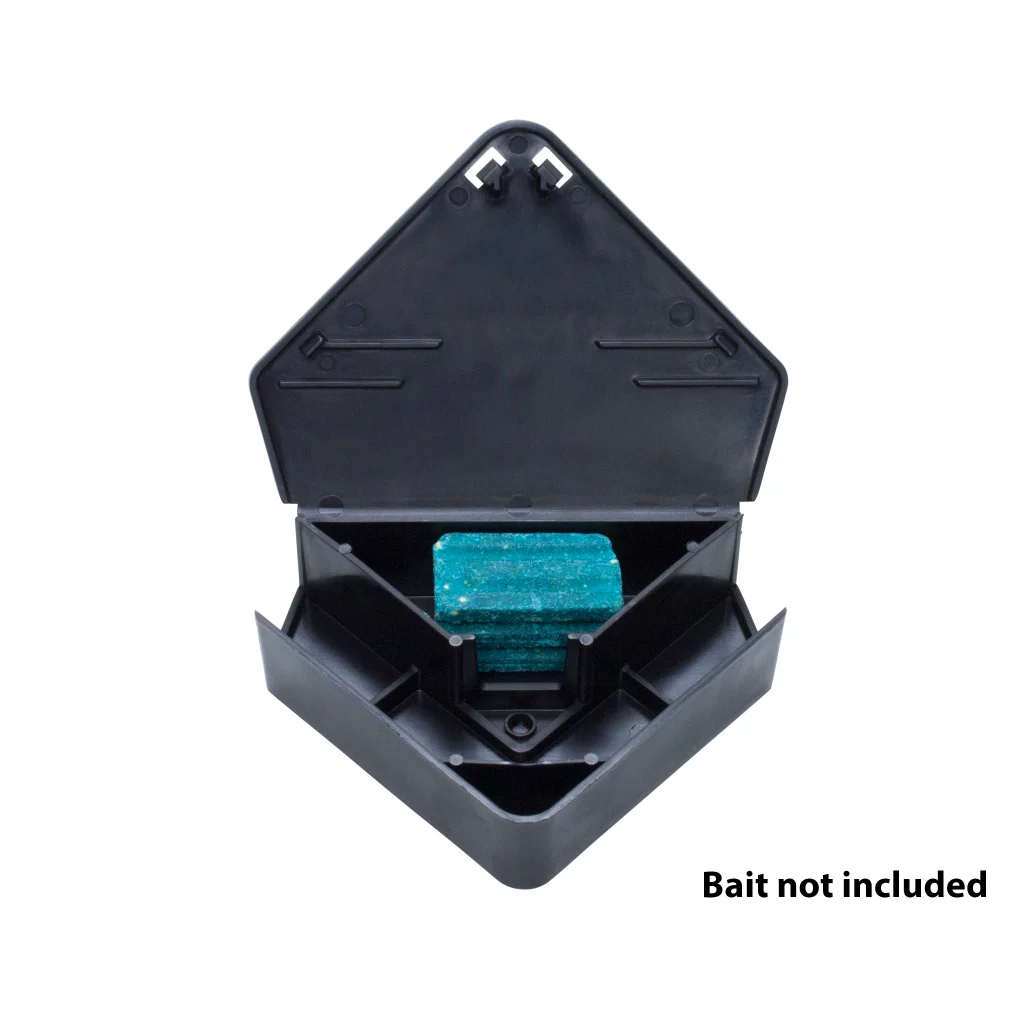
- Tamper-Resistant Rodent Bait Stations: If you have young children or pets, never leave exposed traps in the open. Use a heavy-duty, locking bait station to protect your traps from non-target animals while keeping the entry holes wide open for mice.
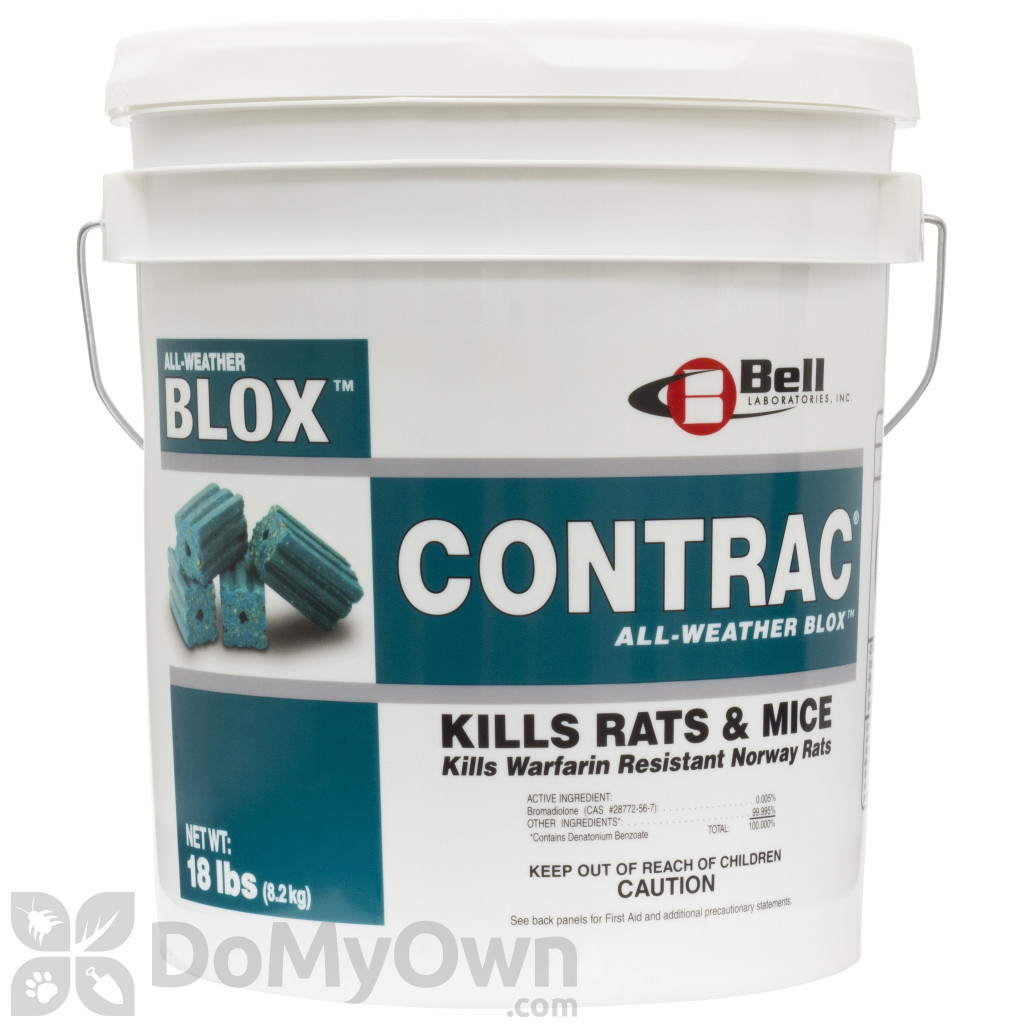
- Premium Rodent Bait: While many rodent baits can be found at bix box and local hardware stores, they are often out of date, dried out, and ineffective. Using professional strength rodenticides will knock down infestations quickly, safely, and keep them at bay to prevent future rodent invasions.
Frequently Asked Questions (FAQ)
What is the absolute best bait for a mouse trap?
While popular media highlights cheese, high-protein or high-sugar foods work significantly better. Nut butters (peanut butter or hazelnut spread), chocolate, gumdrops, and nesting materials like cotton balls or dental floss are incredibly enticing to mice.
How far apart should mouse traps be spaced?
For a standard indoor mouse problem, space your traps roughly 2 to 5 feet apart along active walls or runways. Mice rarely travel more than 10 to 30 feet from their nesting sites for food, so keeping your trap density tight ensures they encounter a trigger quickly.
Why are mice stealing the bait without triggering my traps?
This usually happens because too much bait was applied, allowing the mouse to lick the edges without applying pressure to the trigger plate. Use a tiny, pea-sized amount of bait and press it firmly into the bait cup. This forces the mouse to use force with its paws or teeth, snapping the mechanism.
How long does it take to catch a mouse once a trap is set?
If placed correctly along a high-traffic runway, you will often catch your first mice within the very first 24 to 48 hours. If your traps haven’t caught anything after three nights but you still see signs of rodent activity, your placement is off and the traps need to be moved to a tighter wall runway.
Should I clean or reuse mouse traps after a catch?
Professional plastic snap traps can be carefully cleaned, sanitized, and reused. However, mice have an incredibly keen sense of smell. Always wear thick gloves when handling triggered traps to keep your human scent off the device, and wash the traps with hot water (no strong chemical perfumes) before resetting them.